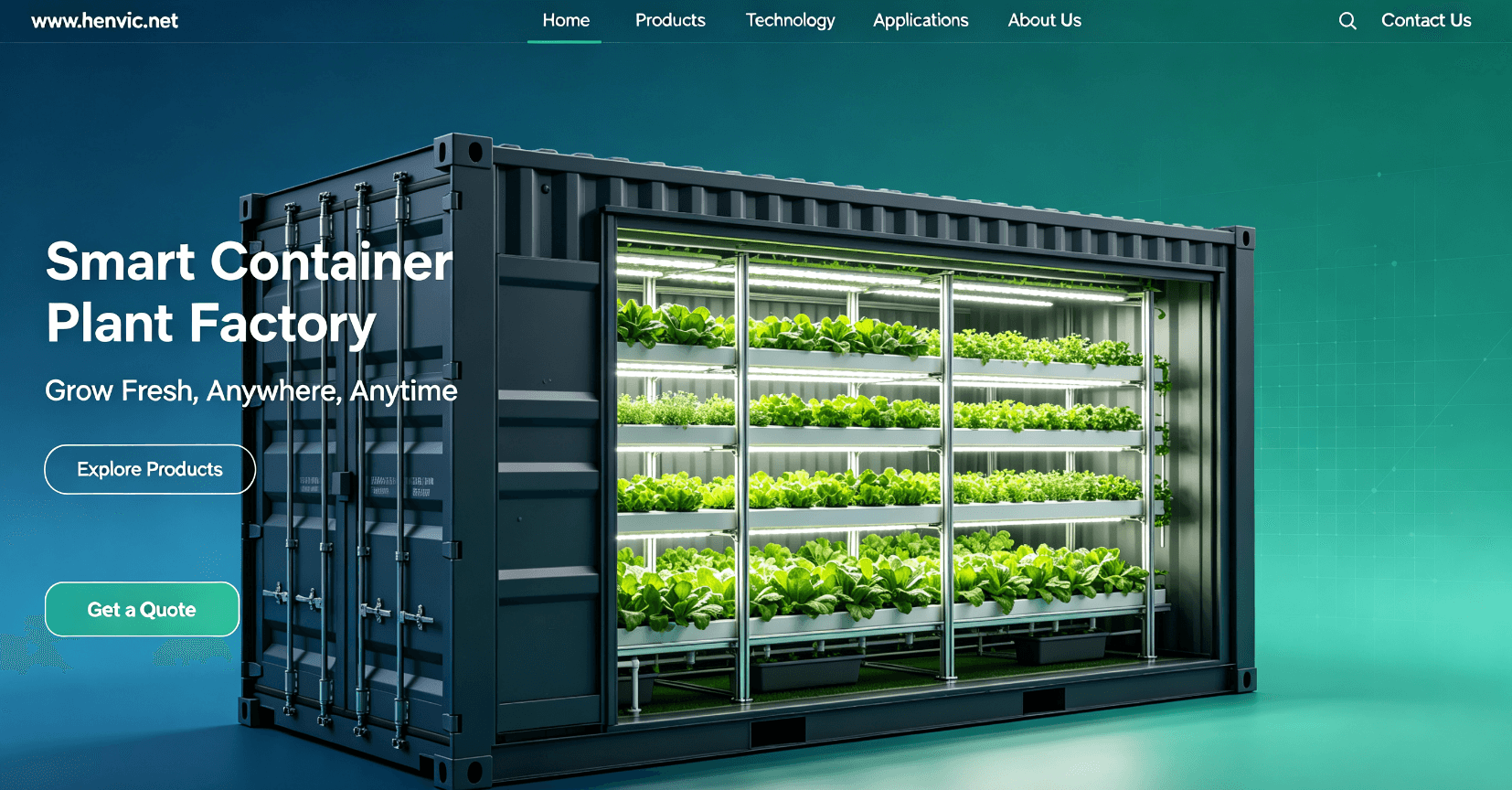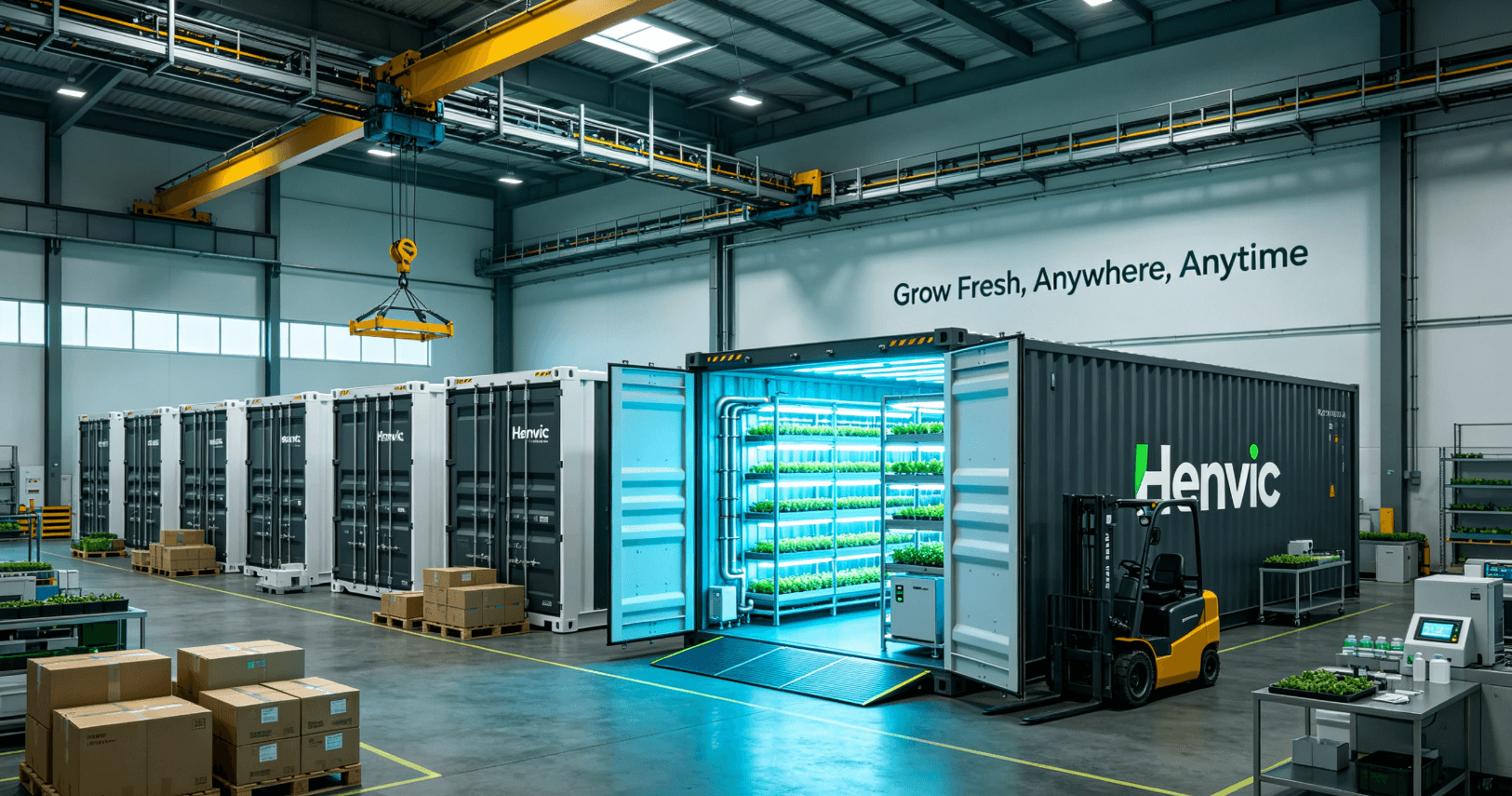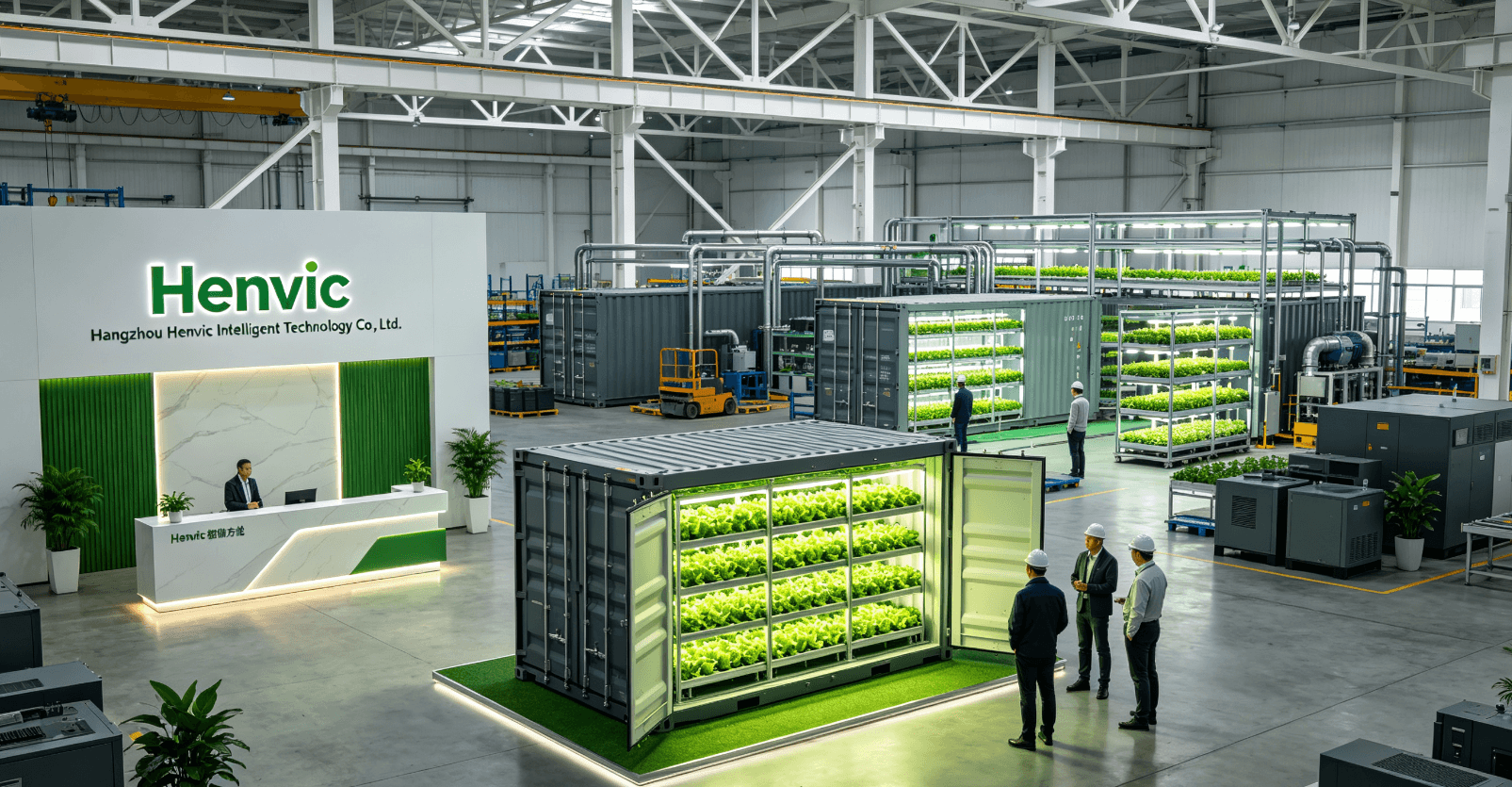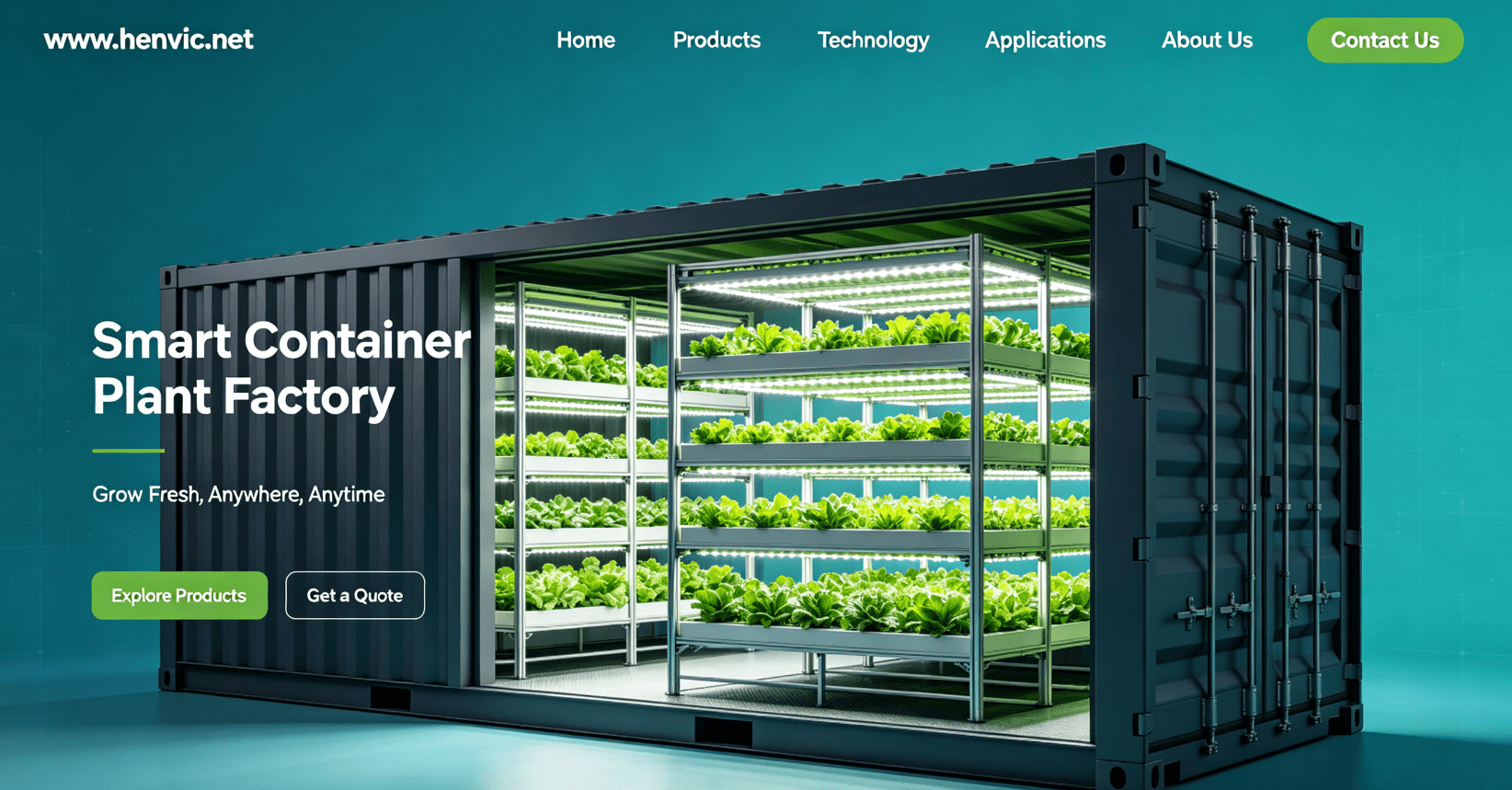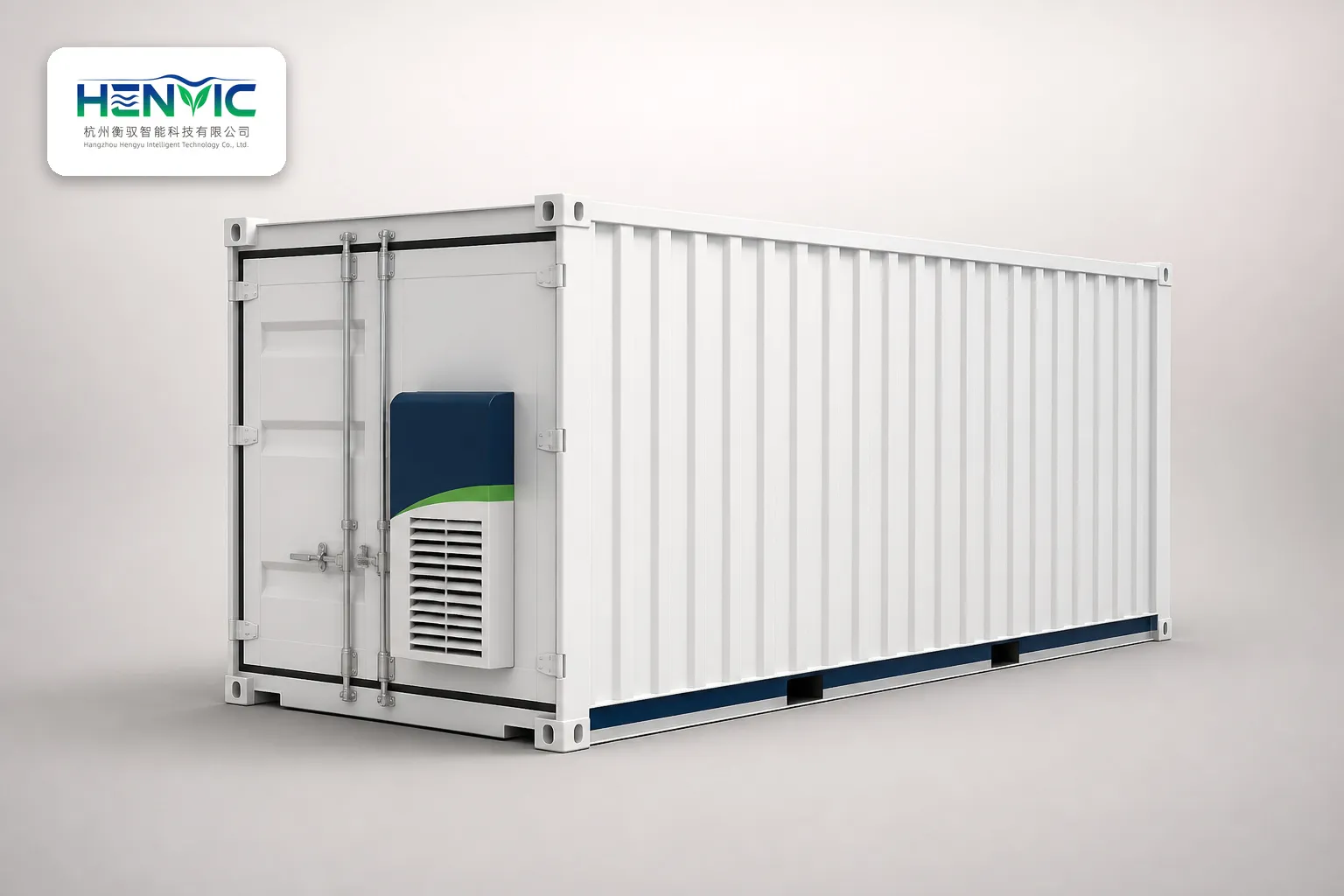
In recent years, mushroom cultivation cabins have become a practical innovation in modern agricultural production overseas. By precisely controlling environmental conditions, these cabins adapt to different geographic and climate conditions, effectively breaking the limitations of traditional mushroom cultivation. They have realized stable, efficient, and eco-friendly production of mushrooms, helping overseas farms reduce dependence on natural environments, improve crop quality, and expand market competitiveness. The following cases demonstrate their practical value and broad application prospects.
1. Australia: Reducing Pests in Drought Regions
Australia is rich in arid and semi-arid regions, where traditional open-field mushroom cultivation is severely restricted by drought, low rainfall, and high temperatures. A farm in southern Australia once faced high cultivation risks, unstable yields, and frequent pests and diseases. After introducing modular mushroom cultivation cabins, the situation changed completely.
The cabin is equipped with a constant temperature and humidity system, sealed structure, and intelligent ventilation equipment. It can automatically regulate internal temperature, humidity, air flow, and light conditions according to the growth stages of mushrooms. This fully meets the needs of mushroom mycelium growth and fruiting body development while completely isolating external pests and dust. Pest problems that troubled the farm for years were effectively solved, eliminating the need for chemical pesticides.
Since the use of cultivation cabins, the farm's mushroom yield has been greatly improved, the product quality is uniform and reliable, with a high market share in the local fresh market. Stable year-round production has also enabled the farm to sign long-term supply contracts with supermarkets, achieving continuous economic benefits and a reliable model for mushroom cultivation in arid regions.
2. Japan: Improving Product Quality in Space-Limited Areas
Japan has a high population density, limited arable land, and high labor costs, making traditional mushroom cultivation difficult to expand. Combined with consumers' high demands for the freshness and quality of mushrooms, mushroom cultivation needs higher environmental control and efficiency. A family farm in central Japan adopted compact intelligent mushroom cultivation cabins to solve these problems.
The cabin adopts a vertical multi-layer structure, greatly improving space utilization. It is fitted with precision sensors and an automatic control system to dynamically regulate temperature, humidity, light, and air exchange. This ensures stable growth of shiitake, enoki and other popular local mushrooms. The closed environment keeps out external pollutants and pests, so the mushrooms have a good shape, uniform size, and rich flavor, fully meeting the demands of Japanese consumers for high-quality fresh mushrooms.
In addition, the intelligent system has largely reduced manual management costs. The farm is now able to supply stable, high-quality mushrooms to local supermarkets and restaurants year-round, achieving smaller-scale but efficient and premium production, and providing a reference for limited-space farming.
3. Netherlands: Energy-saving and Yield-increasing Cultivation
The Netherlands is a leading country in the global facility agriculture, and its mushroom cultivation industry has always focused on technology and environmental protection. To further reduce energy consumption and increase yield, a Dutch agricultural enterprise used high-tech energy-saving mushroom cultivation cabins.
The cabin is fitted with heat recovery equipment, heat insulation materials, and efficient ventilation systems. It uses natural light sources and LED low-energy light sources to reduce power consumption. Through precise control of all environmental factors, it creates an optimal growth environment for mushrooms. Compared with traditional workshop cultivation, the energy consumption of the cabin is greatly reduced, while yield and quality are significantly improved.
Within one year of operation, the enterprise realized significant energy savings and cost reduction, with improved mushroom yield and quality that meet the standards for export. It has secured the enterprise's leading position in the European market and provided a sustainable cultivation model, showing the great potential of mushroom cultivation cabins in modern export-oriented agriculture.
In general, successful cases in Australia, Japan, and the Netherlands show that mushroom cultivation cabins can adapt to different farm environments worldwide. They not only solve the problems of poor climate, limited space, and high costs in traditional cultivation, but also greatly improve yield and quality. In the future, this technology is bound to be promoted in more regions for more efficient and green mushroom cultivation.