Introduction
For decades, Boletus (commonly known as Porcini or Cep mushrooms) has been highly prized across the globe for its rich flavor, meaty texture, and robust nutritional profile. Traditionally treated as a precious wild-harvested commodity, native Boletus species have long been a high-value ingredient in fine dining and have seen a surge in medicinal and nutraceutical applications in recent years.
However, commercial Boletus cultivation in controlled environments remains a highly intricate challenge. Unlike common button mushrooms, Boletus species feature subterranean mycorrhizal relationships and highly sensitive fruiting requirements. To achieve consistent, pollution-free, and high-yield harvests, the mushroom industry has embraced a groundbreaking innovation: the Boletus cultivation container. This integrated smart farming system represents the pinnacle of modern fungiculture, directly bridging the gap between wild foraging and industrialized agritech.
I. Core Biological Characteristics of Boletus
To fully appreciate the necessity of specialized cultivation containers, one must first understand the complex lifecycle of Boletus. Unlike saprophytic mushrooms that decay dead wood and organic matter, many desirable Boletus species are mycorrhizal. This means their mycelium must form a symbiotic relationship with specific tree roots (e.g., pine, oak, and eucalyptus). This biological imperative makes standard agricultural practices ineffective.
Furthermore, the fruiting bodies of Boletus are incredibly sensitive to environmental fluctuations. Successful cultivation requires precise coordination of mycelial expansion, substrate maturity, and specific environmental triggers—precisely the kind of control that traditional farming cannot provide.
II. Technical Architecture of Boletus Cultivation Containers
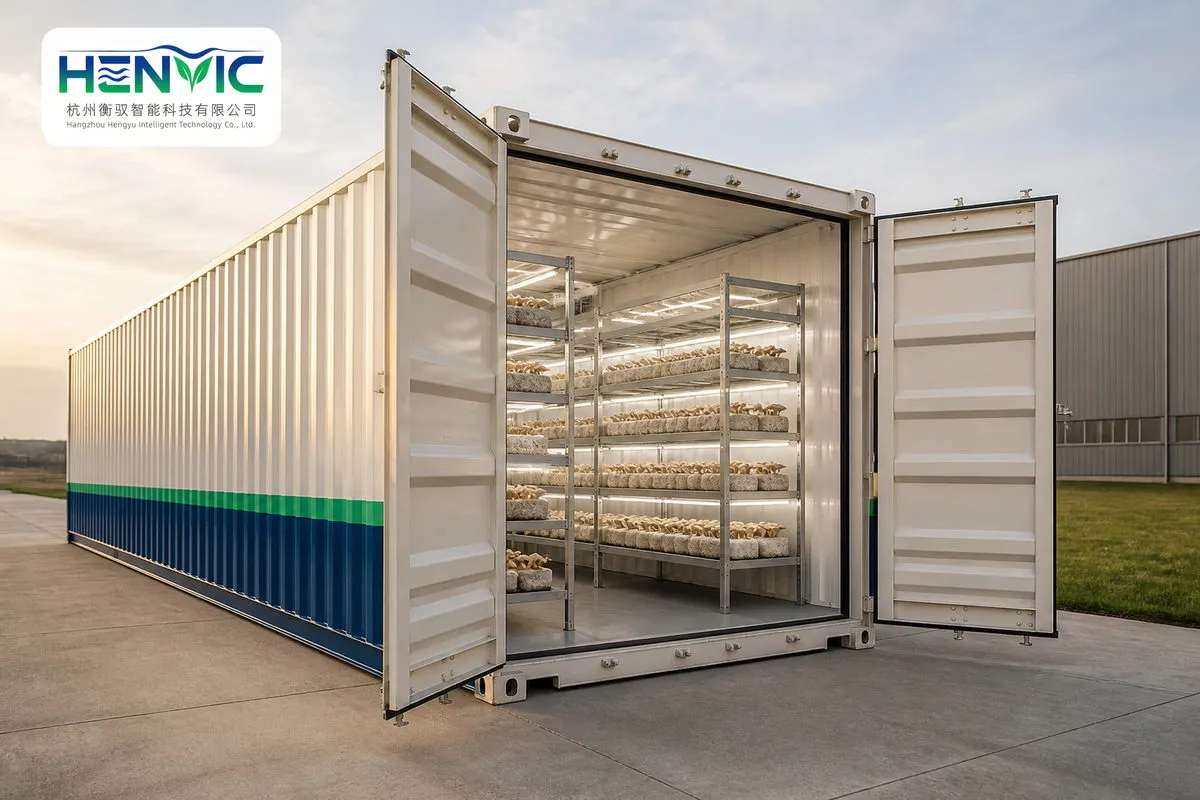
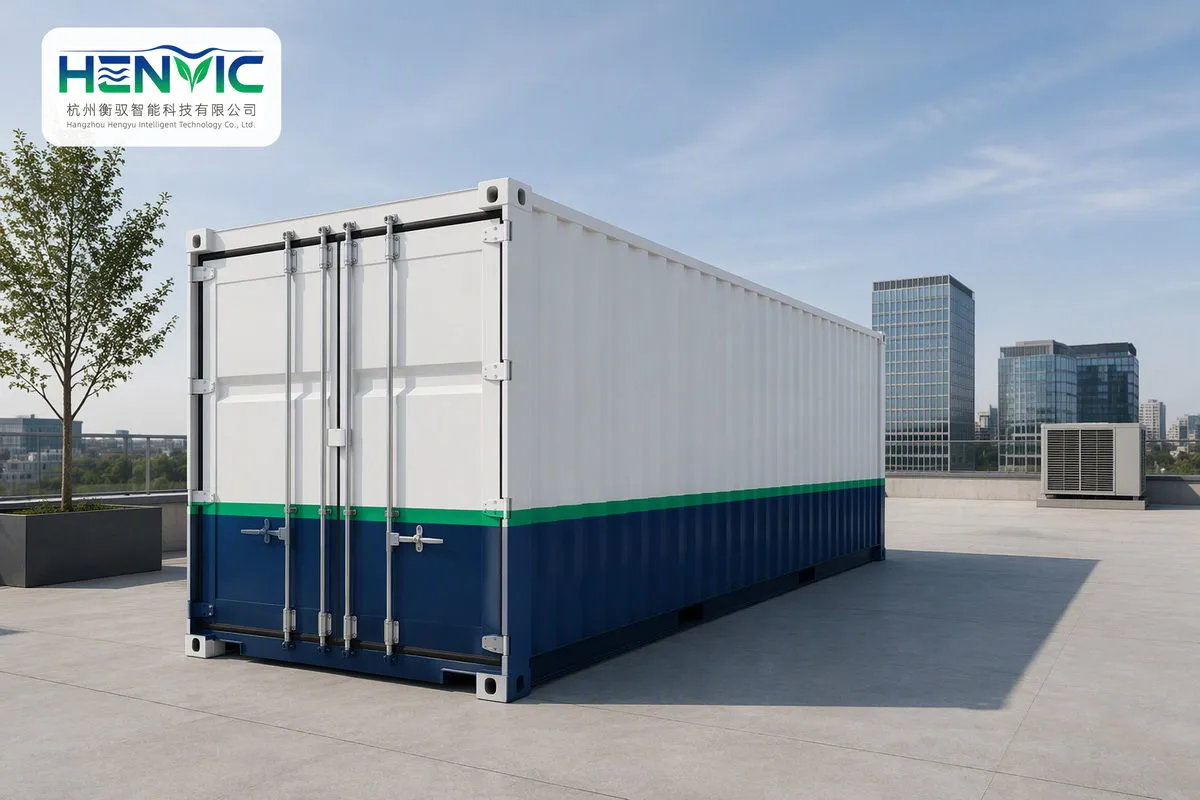
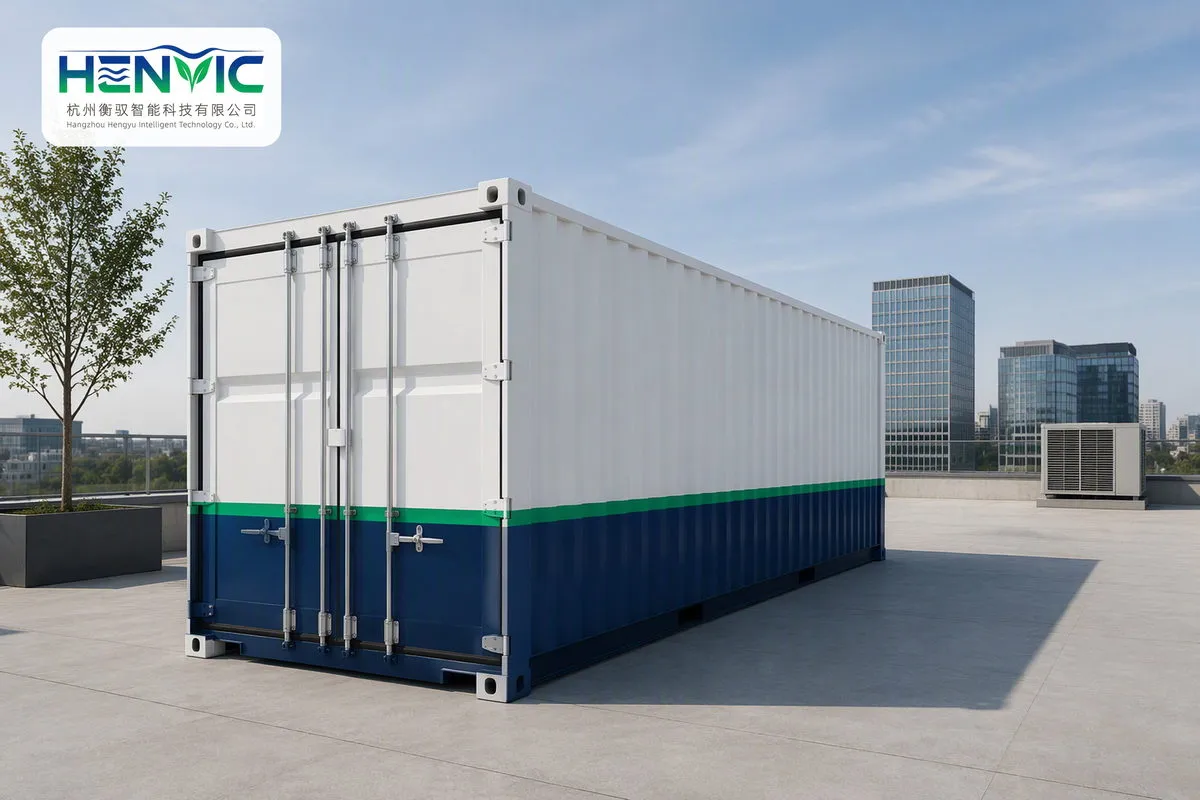
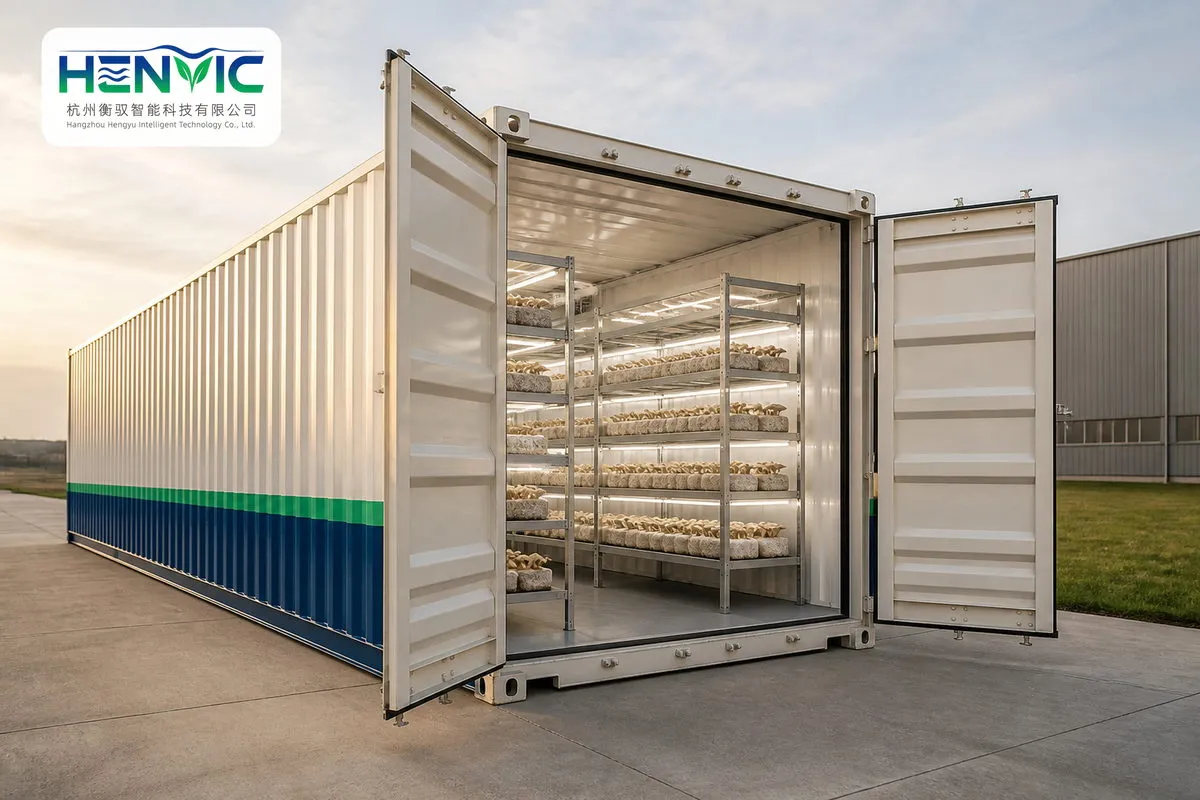
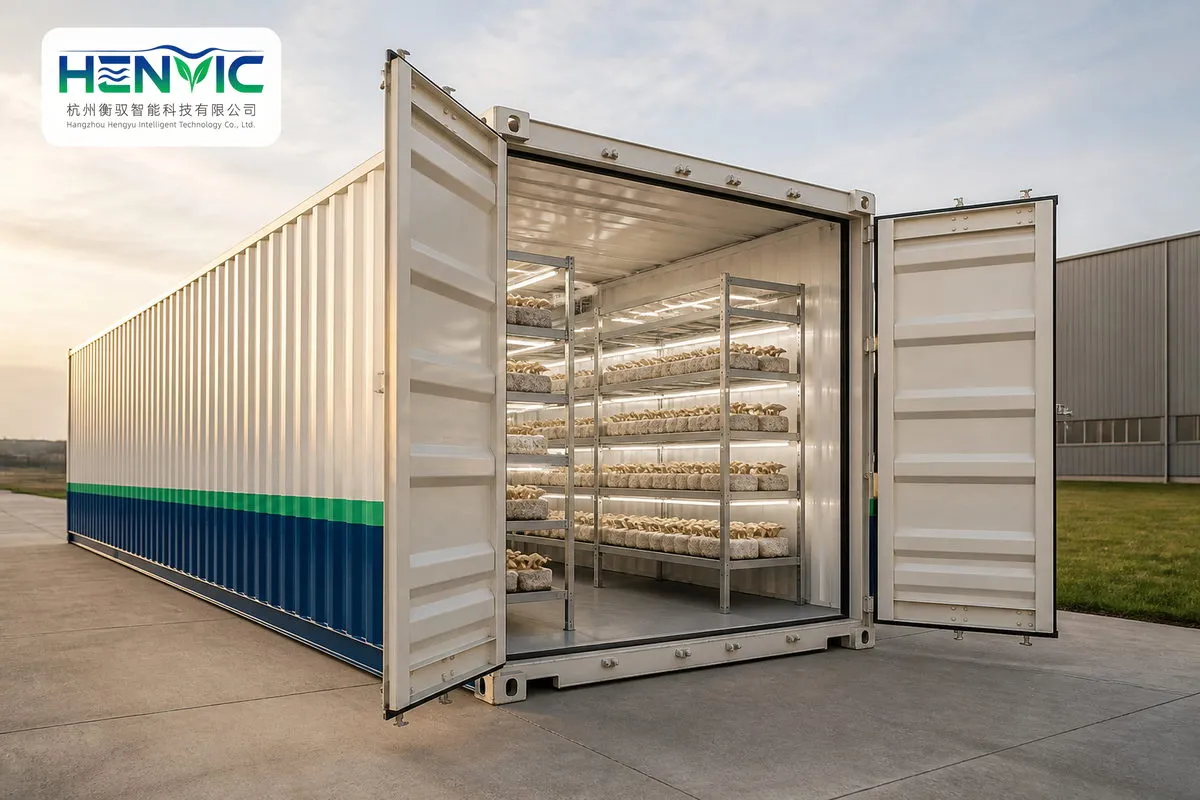
A modern Boletus cultivation container is an enclosed, automated agricultural module designed to mimic and optimize the fungus’ natural habitat. The system relies on the integration of precision engineering, electronic control, and biological science.
1. Automated Environmental Control Systems
The most vital component of a Boletus container is its advanced climate control system. Boletus thrives under very specific microclimates:
- Temperature Regulation: During the incubation phase, the container maintains a stable mycelial growth temperature (typically 20°C - 28°C). As the mycelium matures and enters the fruiting phase, the system automatically lowers the temperature to trigger primordia formation.
- Precision Humidity Control: Fruiting bodies require high humidity levels (85% - 90%) to develop properly. The container utilizes high-pressure misting nozzles and automated watering mechanisms triggered by sensitive hygrometers to maintain a consistently moist environment.
- Air Quality and Ventilation: Boletus requires a continuous influx of fresh air to regulate carbon dioxide levels. The container’s forced ventilation system prevents CO₂ buildup while filtering out airborne pathogens through HEPA filtration.
2. Smart Lighting and Photoperiod Management
Light acts as the primary biological trigger for Boletus pinning. The container is fully equipped with advanced, programmable LED lighting arrays. The system is tailored to emit specific wavelengths (usually emphasizing blue and UV spectrums) and creates precise light-dark cycles. This automated lighting triggers the mycelium to form its fruiting bodies uniformly across the cultivation medium.
3. Substrate and Nutritional Management
To mimic the wild mycorrhizal environment without relying on fragile tree ecosystems, Boletus cultivation containers employ optimized substrates containing organic matter (such as sawdust, straw, and various agricultural byproducts) supplemented with specific nutrients. The container features automated dispensing systems to deliver precise nutritional doses, ensuring the mycelium receives the exact nutrients necessary for high-quality fruiting bodies.
III. Industry Applications and Core Advantages
The advent of Boletus cultivation containers has revolutionized the mushroom market, offering substantial advantages over traditional open-air farming.
1. Advanced Disease Prevention and Biological Safety
By utilizing a fully enclosed architectural design, cultivation containers physically isolate the crops from external elements, wild insects, and airborne bacteria. Strict HEPA air filtration and automated sterilization protocols inherently reduce disease risks, eliminating the reliance on chemical pesticides. Consequently, the final product is an exceptionally pure, green, and organic gourmet ingredient.
2. Unprecedented Geographical Flexibility
Traditional Boletus cultivation is strictly limited to specific geographical regions with appropriate forest ecosystems. With modular containers, high-quality Porcini can be cultivated anywhere in the world—from barren deserts to bustling urban centers. This geographical decoupling from natural forest environments solves the supply chain constraints associated with wild foraging.
3. Year-Round Production and Risk Mitigation
Wild Boletus is inherently seasonal and subject to dramatic price fluctuations. Cultivation containers guarantee continuous, batch-scheduled production regardless of the season or external climate. Farmers can harvest on demand, ensuring a stable market supply and predictable, highly profitable returns.
4. Automated Scalability and Efficiency
Designed with modular architecture, containers can be seamlessly stacked and managed by a single centralized smart control system. This automated scalability drastically reduces manual labor requirements while significantly improving the working environment compared to traditional agricultural operations.
IV. Overcoming Industry Challenges and Future Development
Despite rapid industry adoption, progress remains robust. Multi-strain co-cultivation and the stabilization of fruiting body quality remain active technical challenges. Historically, the necessity for specialized containers and high upfront investments limited widespread adoption.
Looking ahead, the Boletus cultivation industry is shifting toward AI-driven analytics. Future containers will feature artificial intelligence to optimize environmental parameters dynamically based on real-time data. Additionally, innovative substrate processing tools, such as advanced micro-filtration and automated spore inoculation equipment, will further minimize contamination risks and maximize yields. As investment costs decline and efficiency rises, Boletus containers will continue to permanently transform the gourmet mushroom industry.
Conclusion
The emergence of Boletus cultivation containers marks a monumental shift in the mushroom industry. By achieving unparalleled precision in ecological control, these integrated systems have effectively decoded highly complex mycorrhizal lifecycles. Looking ahead, these bio-smart containers will not only solve the traditional, erratic supply of wild Porcini but also elevate gourmet fungi into a highly profitable, scalable, and sustainable global industry.