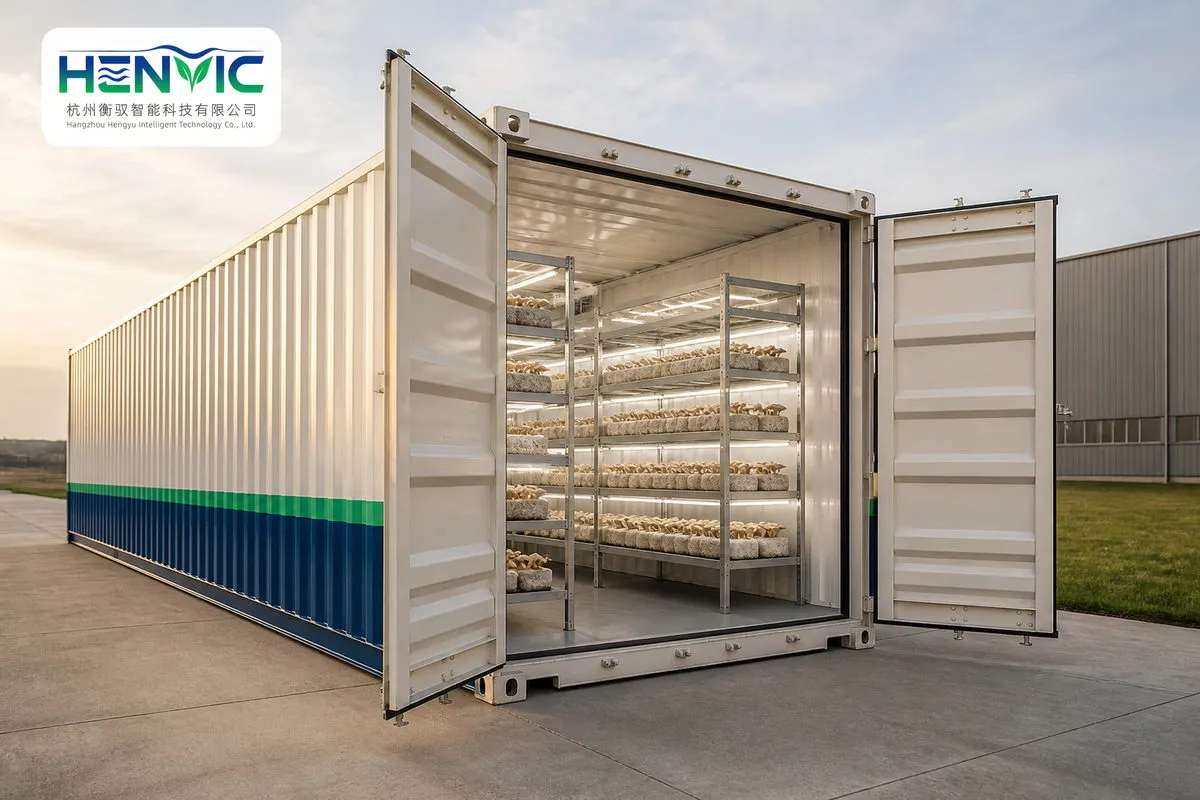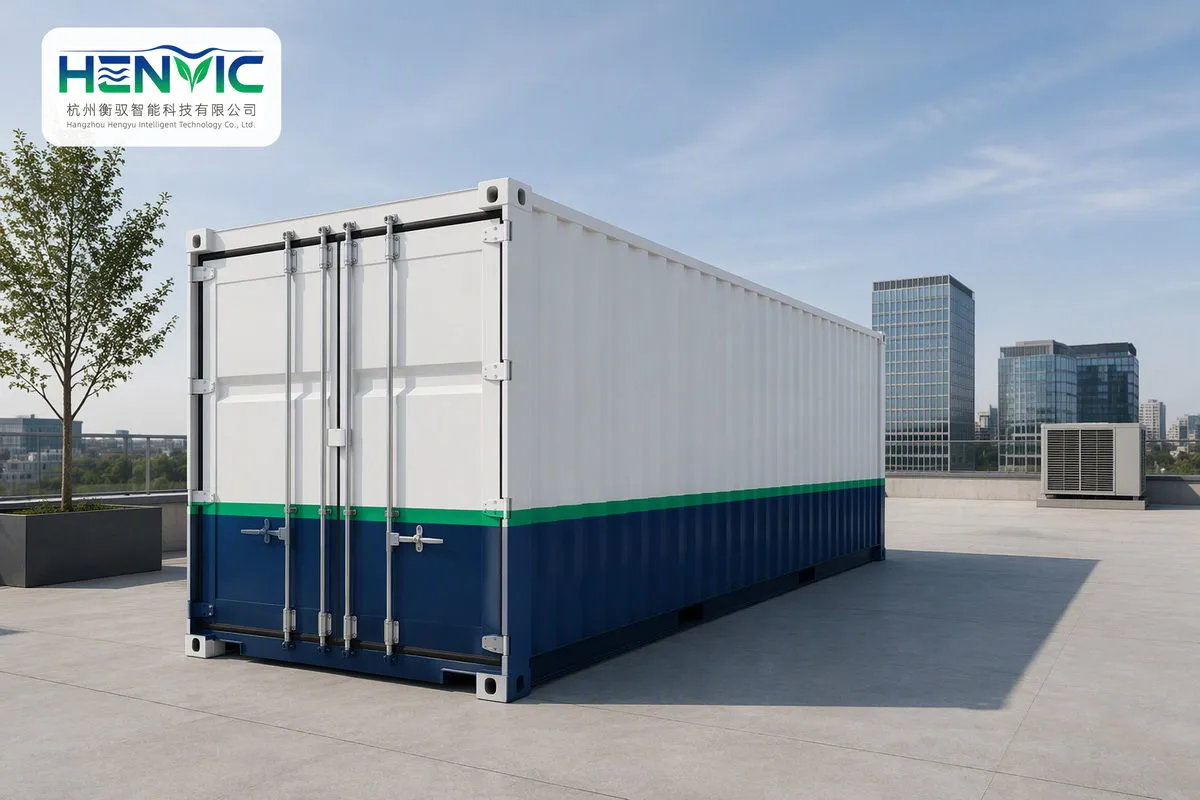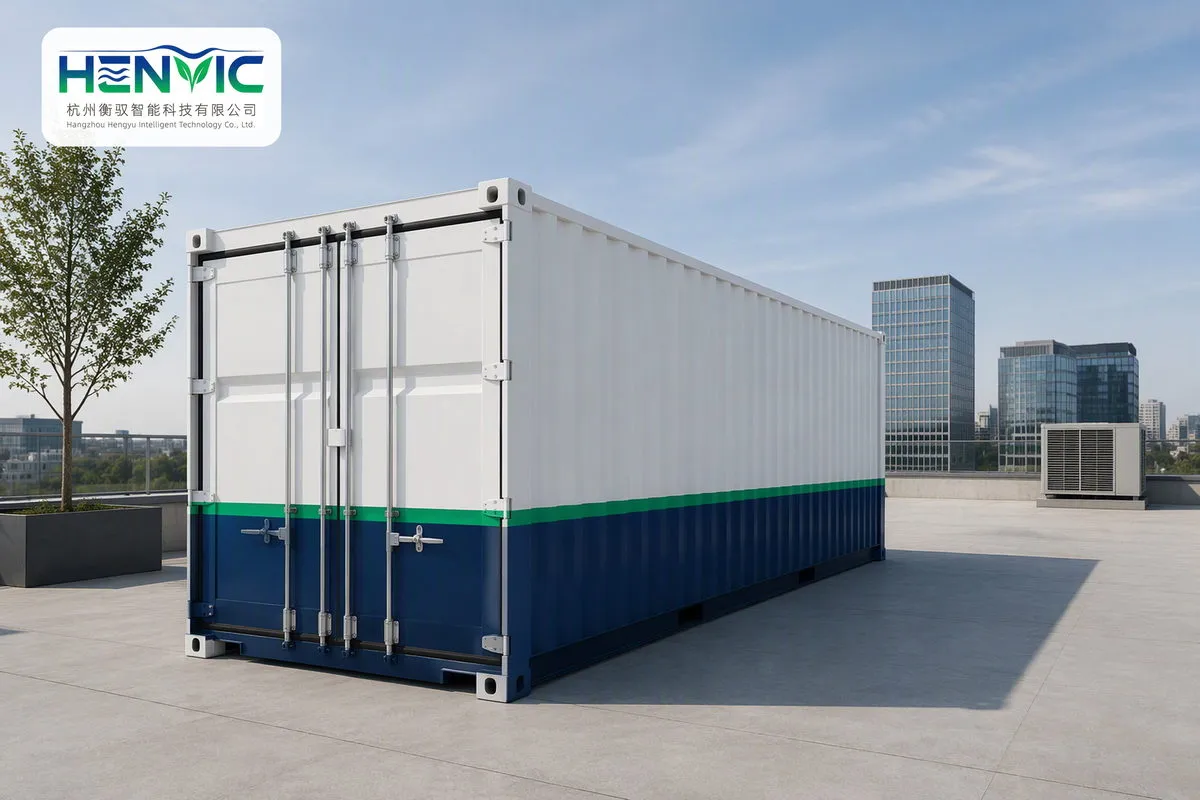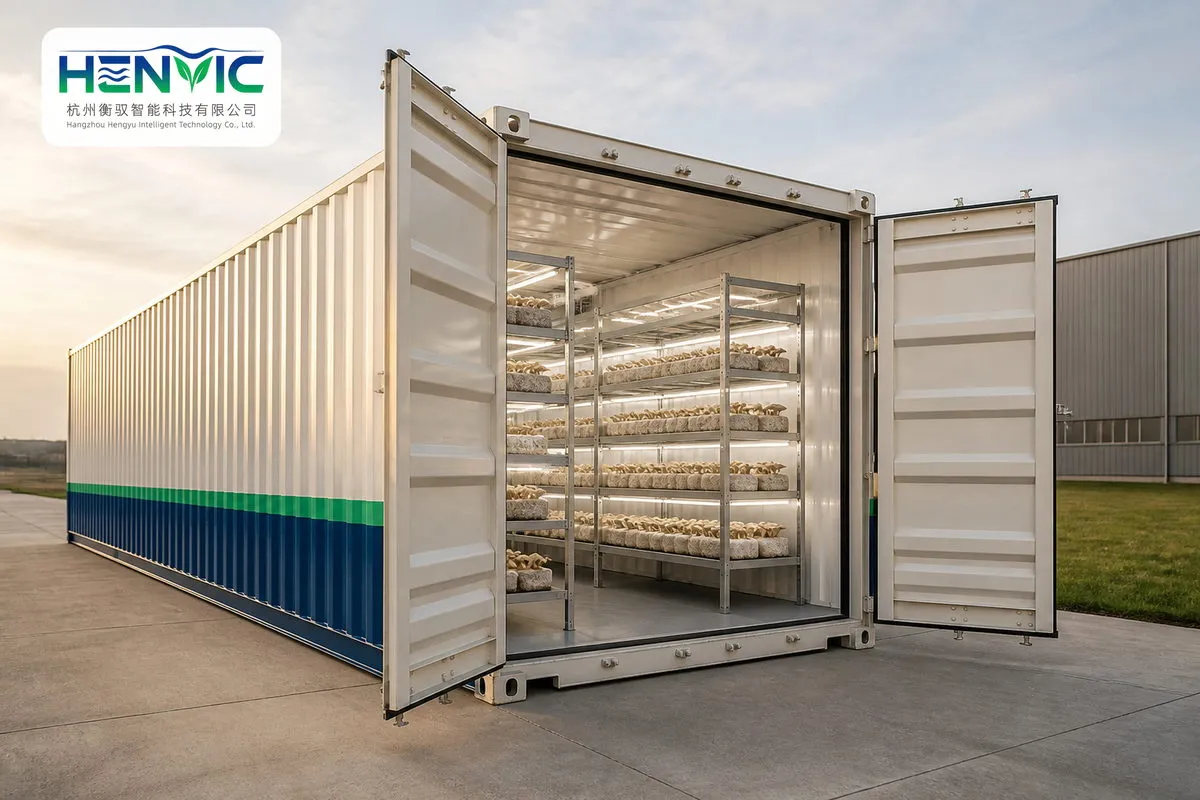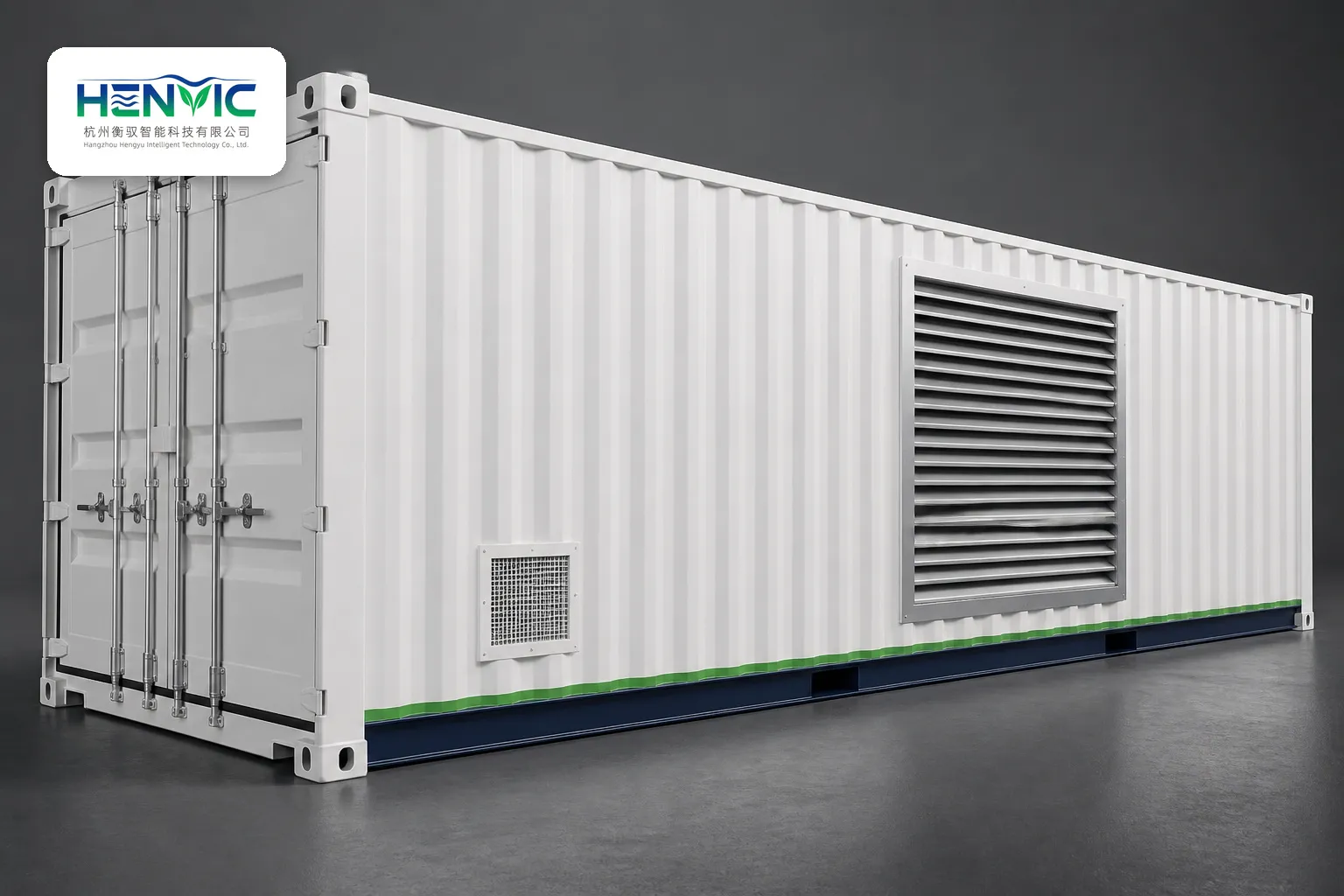
Containerized modular cultivation has become a key innovation in modern leafy vegetable production, particularly for fast-growing, nutritionally dense crops like spinach. Unlike traditional open‑field farming, containerized spinach cultivation relies on an enclosed, climate‑controlled structure — a specialized farming container equipped with advanced sensing and control systems — to create a fully optimized growth environment independent of external weather, soil conditions, or geographic limits. This reliable technology comes to the forefront to meet rising clean food demand while guaranteeing leafy greens safety and yield.
1. Core Technical Principles
The large‑scale spinach cultivation container is engineered to deliver precision regulation over the four essential growth factors: light, temperature, water, and nutrients. By dynamically adjusting internal conditions to match spinach’s biological growth rhythm, the container accelerates growth cycles, slashes pest risk, and keeps nutritional content stable.
(1) Lighting System
Spinach is a highly light‑sensitive crop, and the container utilizes low‑heat, evenly distributed LED plant lights to mimic natural sunlight. The light spectrum, intensity, and photoperiod are fine‑tuned across growth stages. At the seedling stage, moderate light promotes strong root and stem development; in the fast growth phase, full‑spectrum light boosts photosynthesis and leaf expansion. The adjustable luminance ensures consistent plant height and dense, high‑yield foliage free from over‑branching.
(2) Temperature and Humidity Control
Spinach thrives in cool, moist conditions, with ideal temperatures ranging from 15°C to 22°C and relative humidity kept between **60% and **80%. The internal air‑conditioning and humidification system continuously monitors internal metrics, adjusting cooling and moisture output automatically. This prevents heat stress, which triggers bolting, bitterness, and leaf yellowing, and inhibits fungal growth caused by overly humid air.
(3) Hydroponics & Nutrient Management
Soil‑free substrate and hydroponic systems resolve soil‑borne disease and heavy‑metal risks while improving resource efficiency. Smart irrigation delivers a scientifically balanced nutrient solution directly to plant roots in precise volumes and timings. The closed‑loop design recovers and recycles excess nutrient liquid, reducing fertilizer waste and delivering exact nitrogen‑phosphorus‑potassium ratios that boost leaf thickness and nutritional content.
(4) Smart Management
Integrated Internet of Things (IoT) components deliver real‑time data collection, remote monitoring, and automated control, drastically reducing labor demands and standardizing crop quality while minimizing human error.
2. Practical Values and Advantages
Containerized spinach cultivation transforms conventional green vegetable production with framework‑defined benefits:
First, high yield and stable production. Precise, stable internal environments shorten growth cycles and significantly raise unit‑area yields. Pest and disease risk is extremely low as the sealed space reduces external contamination, while the absence of rain and wind eliminates crop bareness, guaranteeing stable market supply.
Second, safe, premium produce. Highly standardized planting conditions eliminate contamination from wild weeds, insects, and pesticide traces, delivering pesticide‑free spinach with consistent flavor, texture, and nutrition suited for high‑end consumer markets.
Third, flexible deployment. The compact, modular container can be installed in urban rooftops, basements, or arid, cold, and contaminated regions, turning unusable spaces into production zones. Independent of extreme weather, planting runs year‑round with 365‑day continuous harvesting.
Fourth, sustainability. Recirculating hydroponic systems slash water and fertilizer consumption, curbing agricultural pollution while boosting land efficiency.
3. Conclusion
As smart, modern gardening takes off, containerized spinach cultivation is redefining green vegetable production with its intelligence and efficiency. It delivers a reliable, eco‑friendly model to build smart urban farms, support the healthy food industry, and secure steady supply for the food market.