1. Introduction
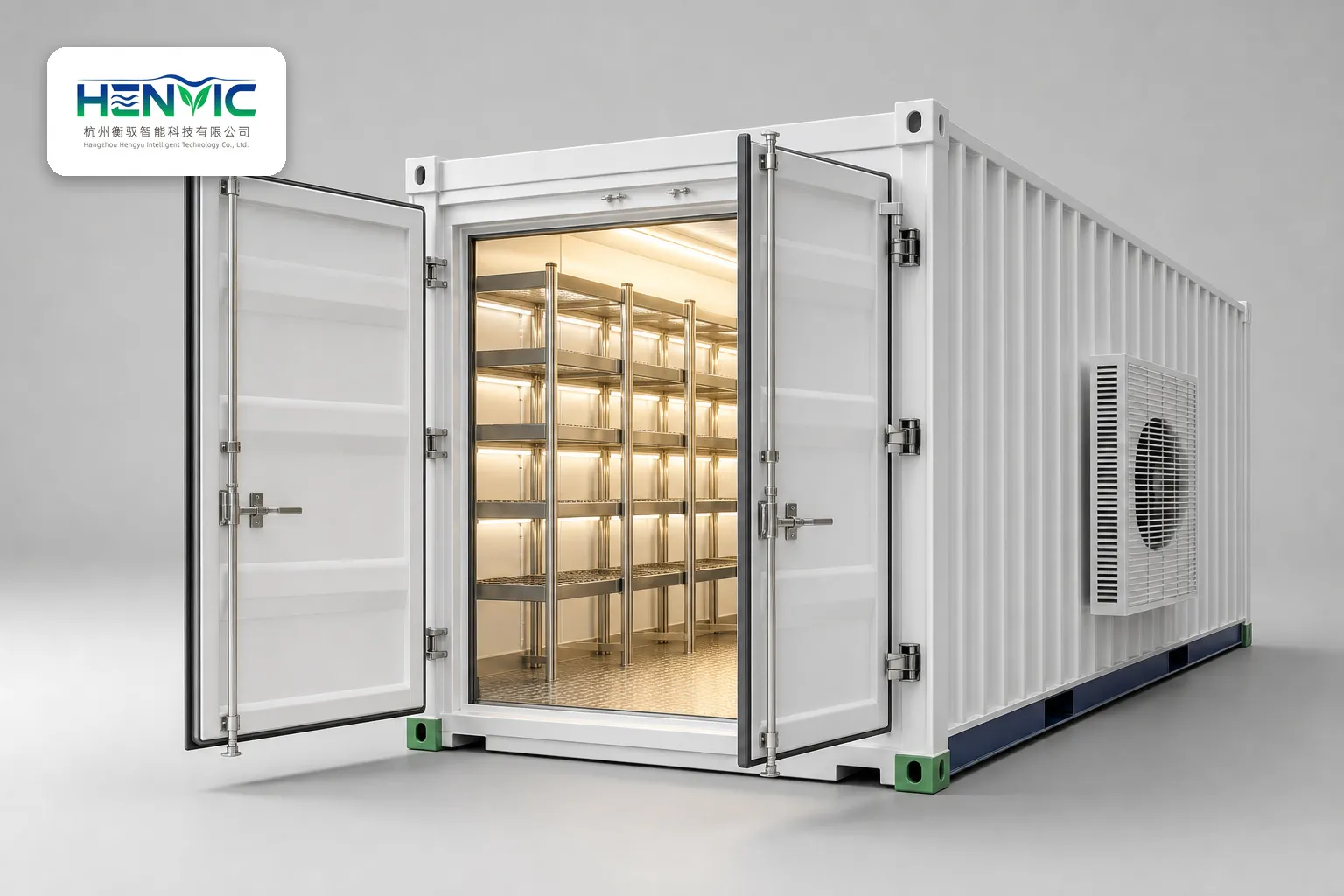
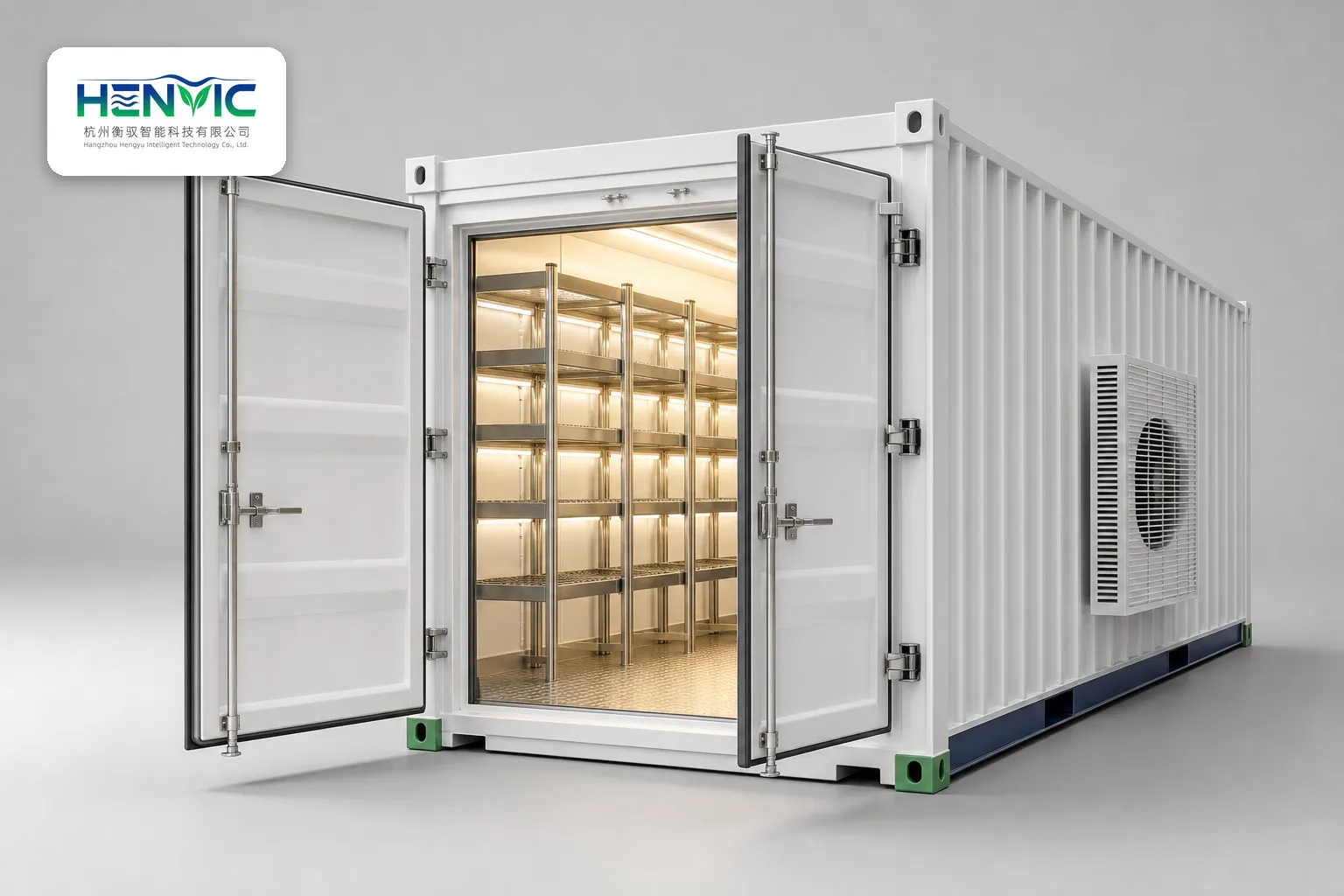
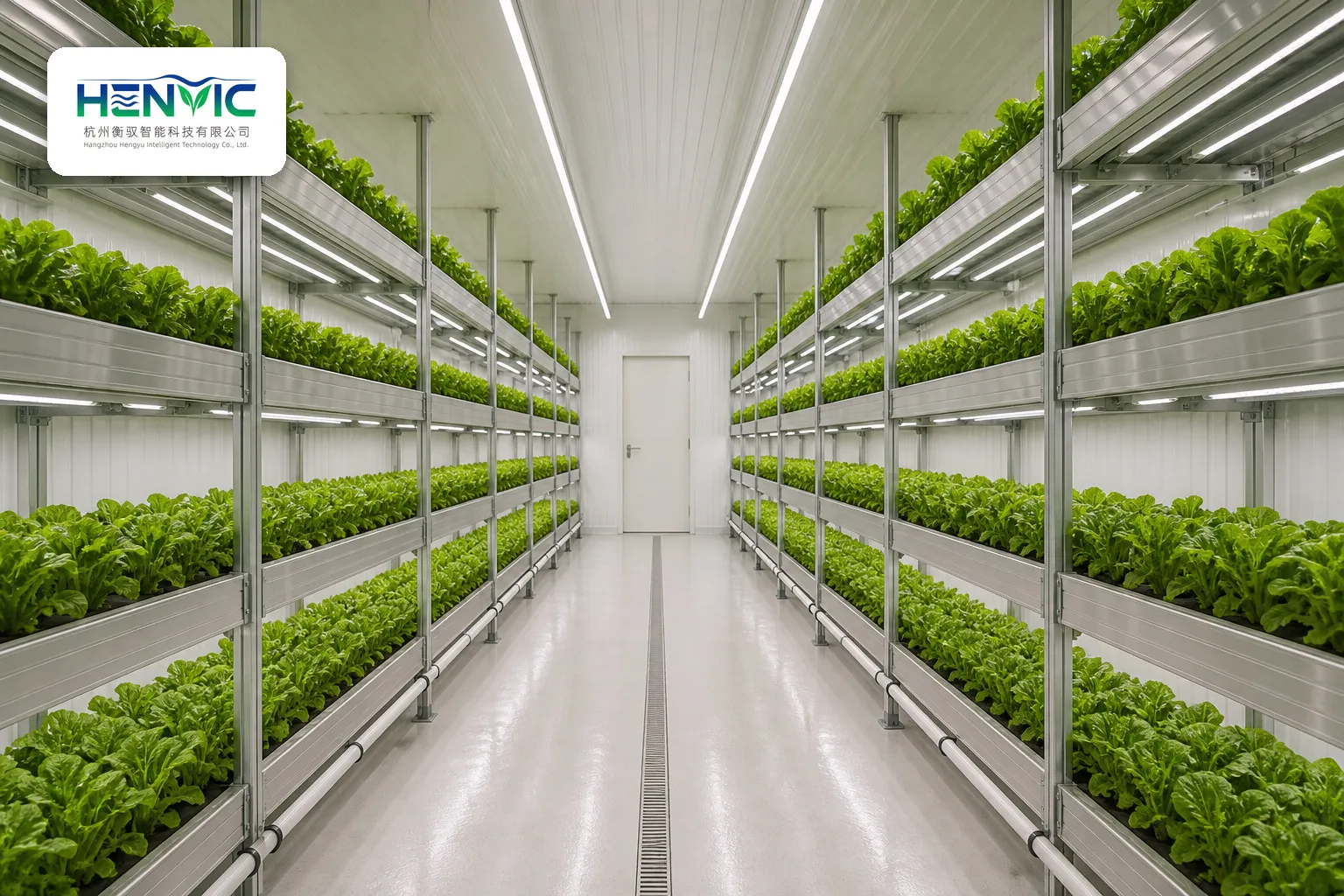
Cultivation containers have redefined modern agriculture by moving crop production from open environments into highly controlled, self-sufficient units. The essence of this technology is the precise manipulation of biological and environmental interactions, ensuring that every crop grows under optimal conditions regardless of external circumstances. Understanding the core technical principles behind these containers is essential to grasping how they achieve stability, efficiency, and sustainability in plant cultivation.
2. Principle of Closed-Loop Environmental Regulation
The most fundamental principle of cultivation containers is the establishment of a closed-loop system. Unlike open fields, a container isolates the plant from unpredictable climates while continuously optimizing internal conditions.
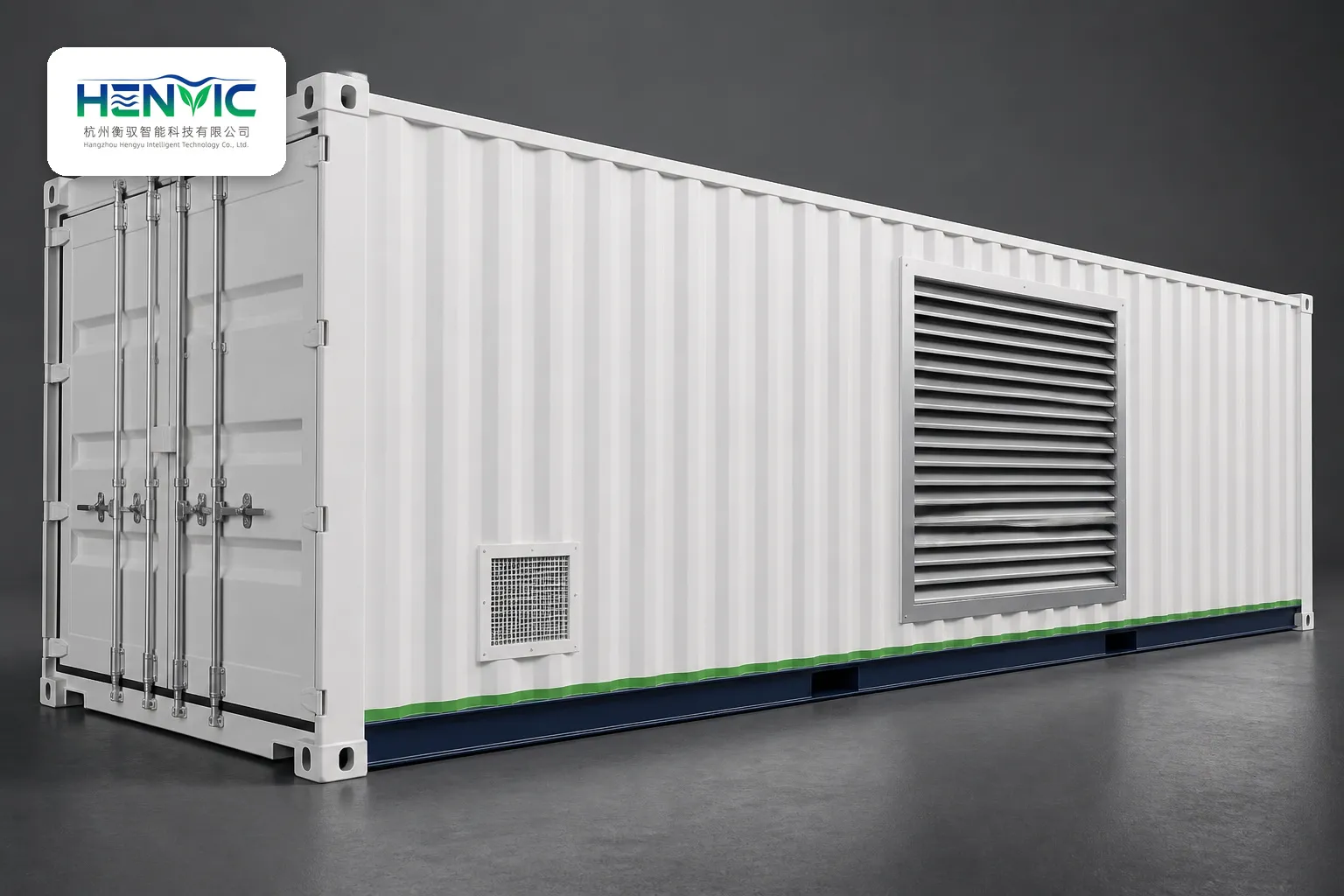
- Controlled Airflow and Purity: The container uses a highly sealed structure to maintain a specific internal environment. Air is circulated through a filtration system that removes contaminants, pests, and pathogens. This clean airflow ensures the plant receives sufficient oxygen while maintaining an ideal carbon dioxide balance, which is crucial for photosynthesis.
- Independent Regulation: By dynamically adjusting environmental variables based on the plant's life cycle, the container reduces environmental stress and allows crops to develop uniformly, leading to consistent product quality.
3. Principle of Environmental Simulation and Precision Control
Plants have complex physiological responses to their surroundings. Cultivation containers rely on advanced sensor technology to simulate and refine these environments.
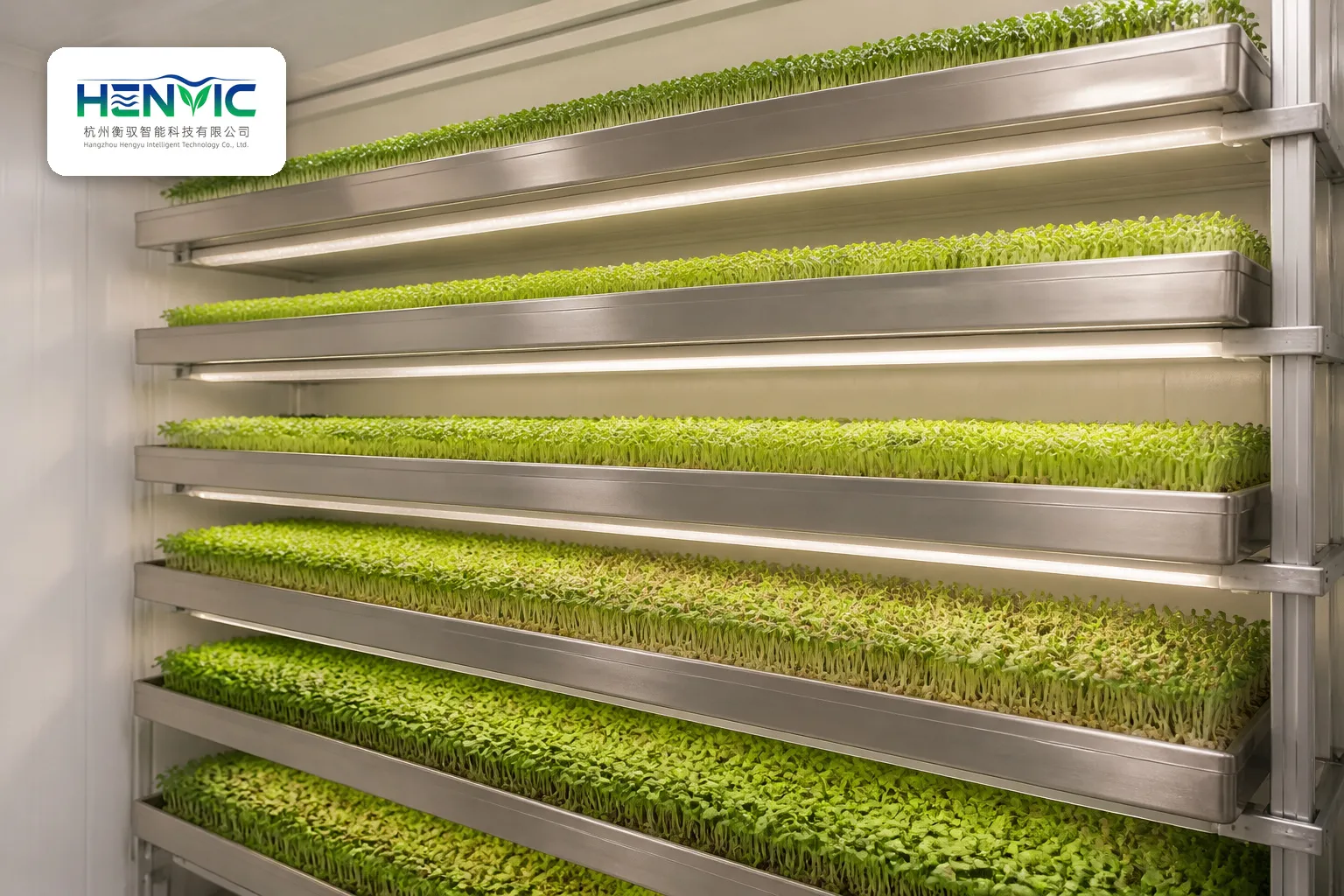
- Adaptive Sensors: Integrated sensors continuously monitor real-time data, including temperature, humidity, light, and gas composition.
- Dynamic Correction: The central control unit compares live data with the ideal growth parameters for the specific crop. If there is a deviation—such as a drop in temperature or a change in humidity—the system automatically activates heating, humidification, or cooling modules to restore optimal conditions. This establishes a living climate tailored to the crop's biological rhythms.
4. Principle of Resource Optimization
The technology prioritizes maximizing the efficiency of all input resources, significantly reducing operational costs and environmental waste.
- PrecisionNutrition: Cultivation containers utilize efficient delivery methods like aeroponics or hydroponics. Nutrients and water are supplied directly to the root zone with precise control. This principle ensures that nutrients are absorbed fully, minimizes water usage, and prevents waste such as fertilizer runoff.
- Energy Efficiency: Equipment such as LED lighting and water circulation systems is intelligently scheduled. Energy is only consumed when and where it is needed, optimizing resource utilization and ensuring a sustainable production cycle.
5. Principle of Intelligent Data Management
The operational logic of a cultivation container relies on continuous data analysis and automated precision.
- DigitalFunctional Models: By establishing digital growth models, the system can anticipate environmental shifts and adjust settings in advance, ensuring proactive rather than reactive management.
- Automation and Safety: The integration of artificial intelligence and real-time feedback mechanisms allows the system to handle routine adjustments automatically. It can also identify and respond to abnormalities, ensuring the stability and safety of the formation process.
6. Structural and Hygienic Design
The container's physical architecture works hand-in-hand with the modularity of the system.
- Sealed Environment: The interior is constructed from corrosion-resistant, moisture-resistant materials that guarantee hygiene and prevent contamination.- Flexible Expansion: The modular design of the container allows for easy customization and combination, enabling scalability to adapt to different crop types and business needs.
7. Conclusion
The core principles of cultivation containers—closed-loop regulation, precision environmental control, and resource optimization—work together to create a self-sustaining agricultural ecosystem. By relying on advanced sensors, dynamic transitions, and smart management, these servers provide a solid foundation for building stable, efficient, and intelligent agricultural production. This technical framework not only improves crop yields but also defines the developmental direction of modern precision agriculture.