From Freight Hubs to Food Hubs: Container-Based Plant Factories Enter a New Growth Phase
A shipping container, once a steel box for cargo, is increasingly being repurposed as a self-contained farm. A wave of new projects in China and abroad—and renewed investment in modular, turnkey systems—suggests the container-based plant cultivation sector is moving from experiment to exportable infrastructure.
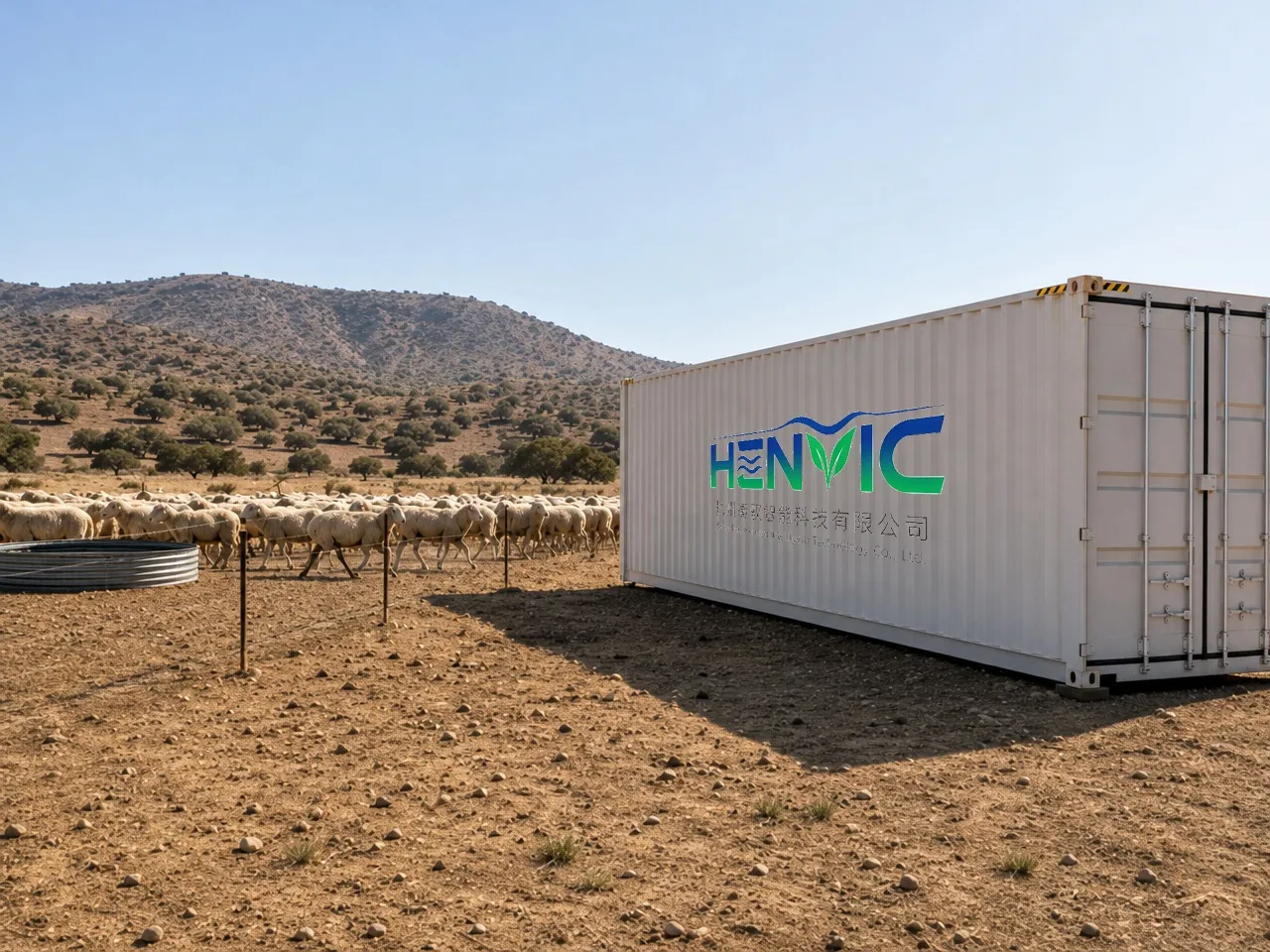
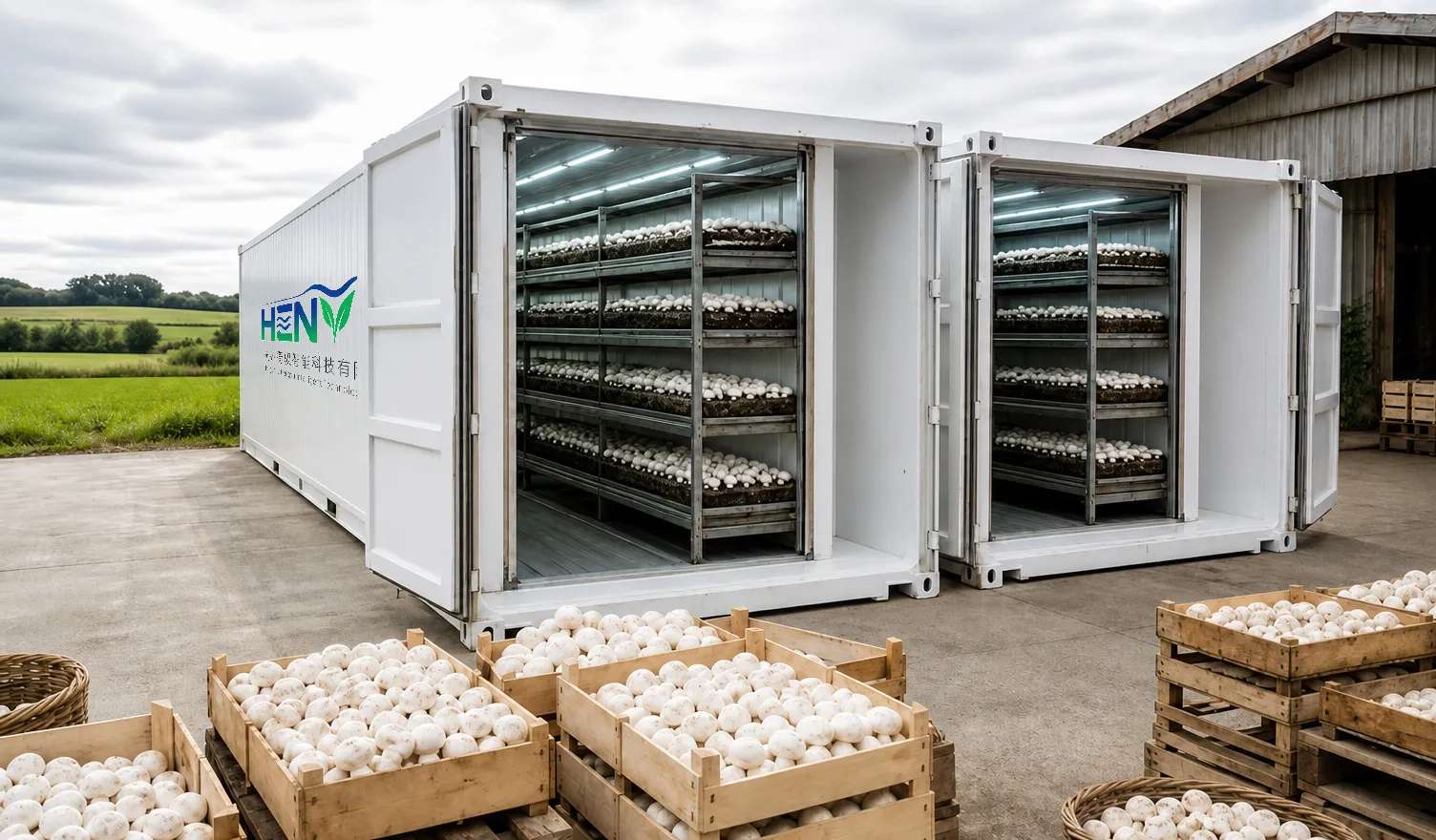
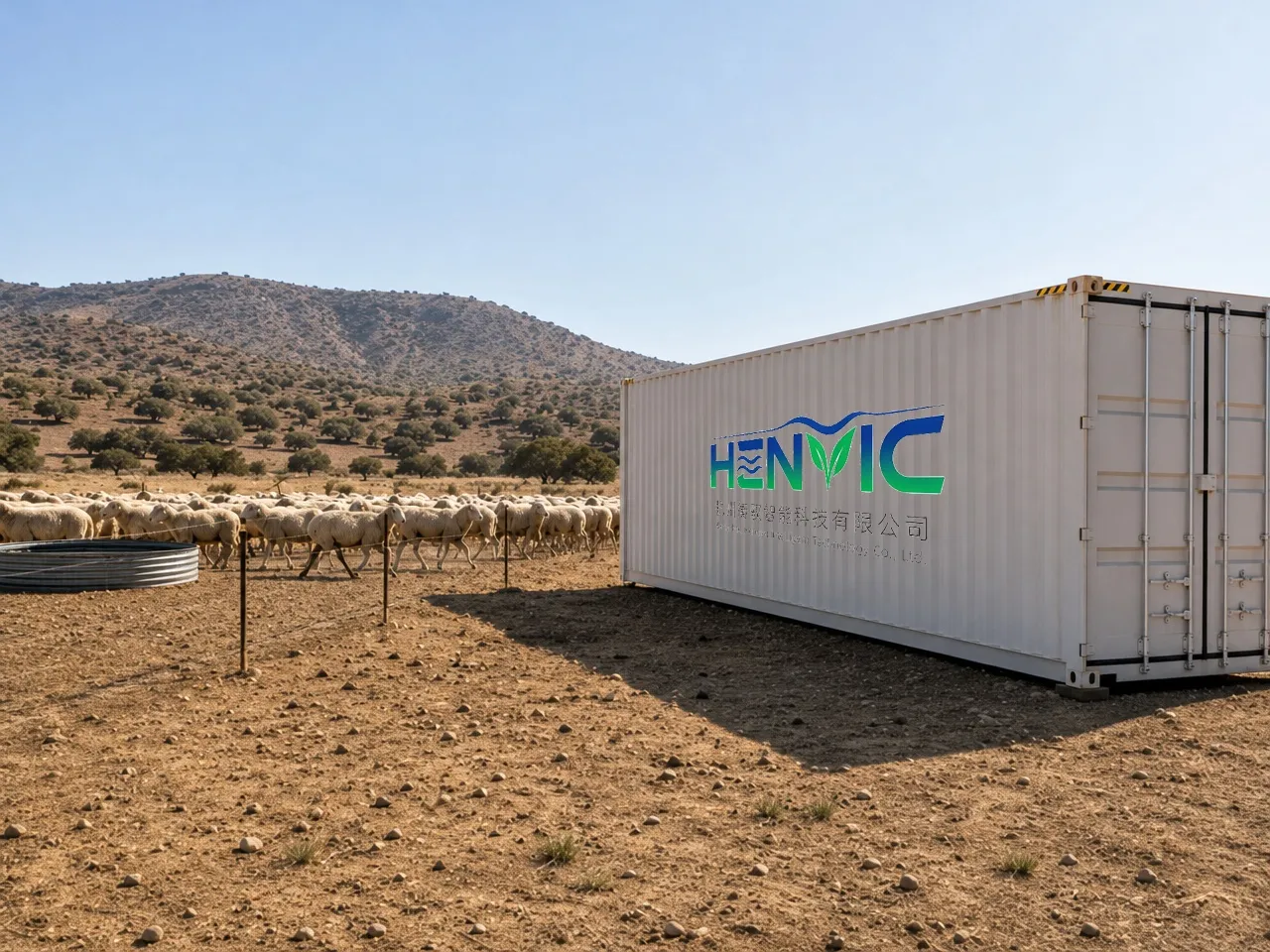
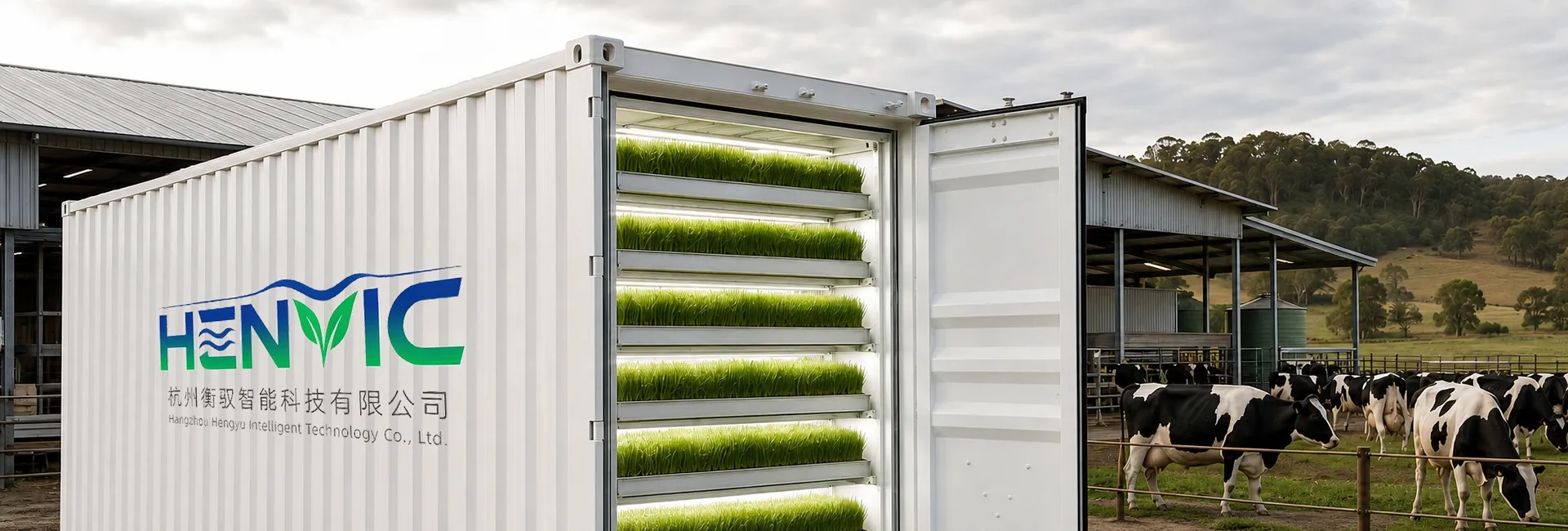
The idea is simple in concept and increasingly sophisticated in execution. Inside a standard shipping container, designers mount LED lighting arrays, hydroponic or aeroponic racks, climate control units and sensor networks that regulate light, temperature, humidity, nutrient dosing and airflow. The result is a controlled-environment growing unit that can be stacked, shipped and operated almost anywhere—a factory for leaves, herbs, strawberries or mushrooms that runs day and night regardless of season or climate.
The past year has brought a string of milestones that mark the sector's maturation, particularly in China, which has positioned container plant factories as part of its broader push into high-tech agriculture.
Modular farms reach the market. In late September, state broadcaster Suzhou Television reported that a modular plant factory in Kunshan, a city in east China's Jiangsu province, had packed a vertical farm into shipping containers, with lighting, nutrient delivery and temperature control linked by a smart management system. The project, reported under the banner "Suzhou turns shipping containers into vertical farms," is one of a growing number of local demonstrations turning the concept into visible, everyday infrastructure.
From domestic demos to overseas contracts. The next step—commercial export—has been gathering pace. According to reports in Chinese media, a modular plant factory manufacturer named Tuoye was featured by state media in April 2026 for its factory-made growing units, which it has deployed as complete solutions for overseas customers: strawberry cultivation in the Middle East, medicinal herb production in Singapore and a mushroom factory in Moscow. The company's pitch, as reported, is industrialized precision agriculture sold as a product, rather than a bespoke lab build.
Exports of the produce itself are also expanding. In May, Xinhua's Reference News ran a feature on how Chinese agricultural "black tech" is enriching the international "vegetable basket," citing container-style plant factories that combine supplementary lighting, soilless cultivation and intelligent environmental control to achieve unmanned, all-weather production, with output shipped to Europe and other markets.
The 'Lego' approach takes hold. Competition is now also shaping how these units are built. A June report by the China Economic Net examined a "Lego-style" approach to converting containers into plant factories, comparing suppliers on assembly speed and operating energy consumption. The framing is telling: the technology is maturing to the point where buyers shop for modular hardware, energy efficiency and deployment timelines the way they would for industrial equipment.
A decade of momentum. The container farm concept is not new. Boston-based Freight Farms, one of the early pioneers of the container-based vertical farm, attracted substantial venture investment in the mid-2020s, proving that a farm could ship in a box. Since then, rising LED efficiency, cheap sensors and cloud-based climate software have steadily reduced the barrier to entry—and the past year's projects show the model scaling beyond pilots.
The economics remain the hurdle. High electricity demand for lighting and climate control is the sector's defining challenge. The June China Economic Net report zeroed in on operating energy consumption as a key differentiator among suppliers, and the industry continues to pursue higher yields per watt through optimized "light recipes," crop selection and renewable energy coupling. Even so, the direction of travel—standardized, modular, exportable—suggests container plant factories are increasingly being treated not as a curiosity, but as a deployable piece of food-production infrastructure, ready to roll into deserts, ports and polar research stations alike.
If the next phase follows the pattern of the last, the question for the industry will shift from "can it grow?" to "how cheaply, and how far can it ship?" For now, the container farm's short answer is: farther than it used to be.