Introduction
The leafy greens cultivation container industry has emerged as one of the most dynamic segments of controlled-environment agriculture (CEA), combining modular engineering, precision environmental control, and hydroponic growing to produce fresh vegetables year-round in sealed, climate-regulated units. Born from the convergence of urban farming ambition and logistics-container engineering, this industry has grown from a niche experiment in the mid-2010s into a globally recognized food production model with significant investment, commercial scale, and technological maturity.
This overview provides a structured understanding of the industry—its market structure, core technologies, business models, competitive landscape, and the challenges that will shape its trajectory.
1. Industry Definition and Market Landscape
1.1 What Is a Leafy Greens Cultivation Container?
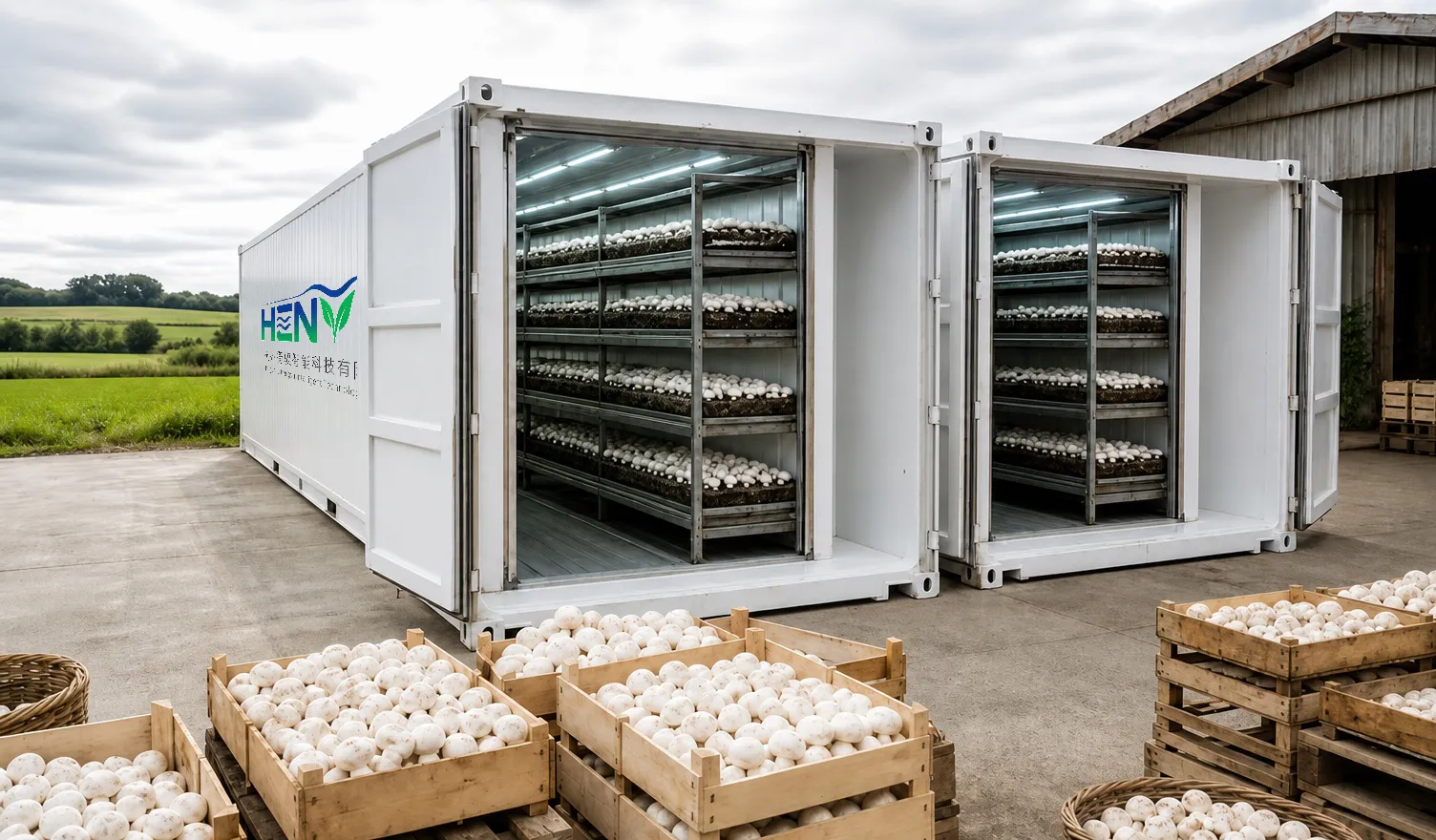
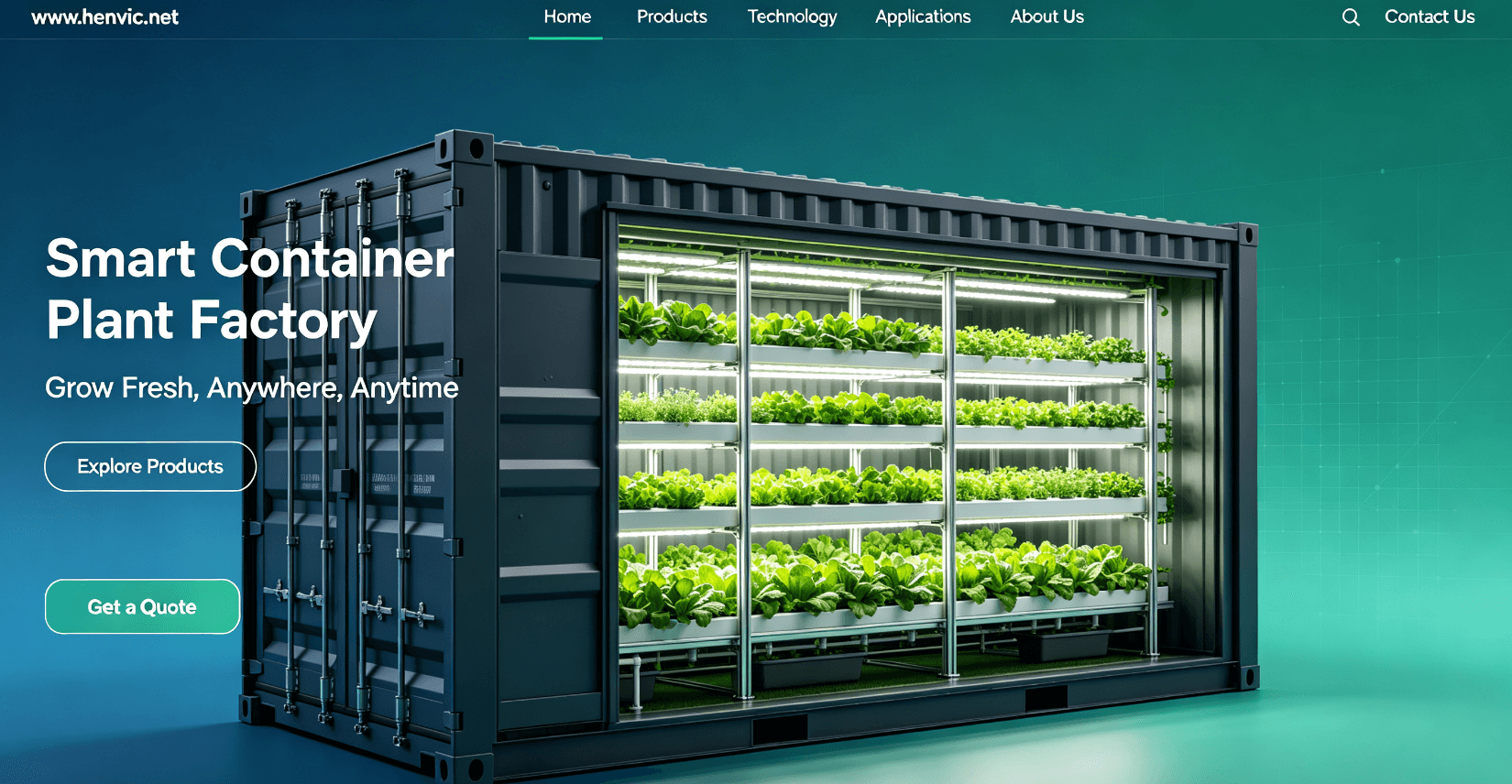
A leafy greens cultivation container is a self-contained, climate-controlled growing system built within a standardized shipping container (typically 20 ft or 40 ft ISO dimensions) or a purpose-fabricated modular enclosure. It integrates vertical racking, LED lighting, HVAC climate control, hydroponic or aeroponic water delivery, and automated nutrient management to produce lettuce, spinach, kale, arugula, herbs, and microgreens in a fully enclosed, pest-free environment.
The defining characteristic is environmental independence: unlike greenhouses, which depend on ambient light and external climate buffering, containers create a sealed microclimate where every parameter—temperature, humidity, CO₂, light spectrum, and nutrient strength—is precisely managed.
1.2 Market Size and Growth Trajectory
The global vertical farming market, of which container-based leafy greens cultivation is a major subsector, was valued at approximately USD 5.6 billion in 2024 and is projected to reach USD 13.7 billion by 2030, representing a compound annual growth rate (CAGR) of over 15%. Container farms account for a growing share of this total, driven by their lower capital cost relative to full-scale greenhousing, rapid deployment timelines, and suitability for urban and peri-urban settings.
Key demand drivers include:
- Urban population growth and the shrinking distance between production and consumption points
- Rising consumer demand for pesticide-free, locally sourced, fresh produce
- Climate change impacts on traditional agricultural yields
- Water scarcity making closed-loop hydroponic systems increasingly attractive
- Supply chain resilience goals post-pandemic
1.3 Geographic Distribution
The industry is currently concentrated in North America, Europe, and East Asia, with the United States, China, Japan, Singapore, and Germany serving as primary markets and innovation hubs. However, interest is expanding rapidly into the Middle East (UAE, Saudi Arabia), Australia, Southeast Asia, and Latin America, where water scarcity and import dependence create strong incentives for local container farming.
2. Core Technology Stack
2.1 Container Envelope and Structural Design
The standard building block is the modified ISO shipping container—typically 20 ft (6.1 m × 2.44 m × 2.59 m) or 40 ft (12.2 m × 2.44 m × 2.59 m)—providing a modular, standardized, and transportable platform. Interior insulation (polyurethane foam, XPS, or aerogel panels) achieves R-values between 2.5 and 4.5 m²·K/W, critical for minimizing HVAC energy demand. Advanced designs incorporate food-grade stainless steel linings, sealed gasketing, and positive-pressure ventilation to maintain a sterile growing environment.
2.2 Vertical Racking and Canopy Architecture
Most systems employ 4- to 8-tier vertical racking, with each tier typically 1.2 m × 0.6 m, yielding 30-50 m² of cultivation surface per 20 ft container. Tier spacing (30-60 cm) balances light penetration with air circulation. Load capacities exceed 50 kg/m², supporting substrate, plants, and irrigation hardware.
2.3 Climate Control System
The HVAC subsystem represents the largest energy consumer and engineering challenge:
- Cooling: 5-10 kW per container to handle lighting, transpiration, and external heat gain
- Heating: Electric or heat-pump systems with heat recovery from the cooling cycle
- Dehumidification: Refrigeration-based or desiccant systems maintaining 60-75% RH
- CO₂ enrichment: NDIR-monitored injection maintaining 800-1500 ppm during the light period
- Air circulation: Laminar flow fans ensuring uniform distribution across all tiers
2.4 LED Lighting System
Full-spectrum LED arrays are the industry standard:
- Efficiency: 2.5-3.5 µmol/J, with advances pushing toward 4+ µmol/J
- Spectrum: White LEDs (CRI ≥ 90) plus red (660 nm) and blue (450 nm) diodes
- Intensity: 150-300 µmol/m²/s PPFD for leafy greens
- Photoperiod: Programmable, typically 16h light / 8h dark
2.5 Hydroponic and Nutrient Delivery
Closed-loop hydroponics achieves 90-95% water use efficiency:
- NFT (Nutrient Film Technique): Continuous thin film of nutrient solution over exposed roots
- Aeroponics: High-pressure misting (50-100 psi) delivering nutrients to suspended roots
- Drip irrigation: Timed delivery to individual plants
- Closed-loop recirculation: UV sterilization and mechanical filtration prevent pathogen accumulation
- EC/pH automation: Inline sensors trigger auto-dosing of nutrients and pH adjusters
2.6 Control and Automation Platform
Industrial PLCs or embedded controllers execute cultivation "recipes"—pre-programmed environmental profiles for each crop—while logging data continuously. Cloud-connected dashboards enable remote monitoring, alarming, and analytics. AI-driven systems are increasingly using historical data to optimize parameters dynamically and predict yields.
3. Business Models and Revenue Streams
3.1 Direct-to-Consumer Farm Operations
Farms operate their own container fleets, harvesting and selling directly to local restaurants, grocery chains, food service distributors, and consumers through subscription boxes or farm-to-table subscriptions. This model maximizes margin capture but requires strong local market access and logistics.
3.2 Equipment Manufacturing and Sales
Companies design, manufacture, and sell container farming systems to other farmers, startups, or institutions. Revenue comes from hardware sales, software licensing, and ongoing service contracts. Key players include Freight Farms, Square Roots, and various Asian and European manufacturers.
3.3 Turnkey Solutions and Consulting
Full-service providers offer design-build-operate packages: site selection, system engineering, installation, crop protocol development, and ongoing operational support. This model targets agribusinesses and investors without in-house CEA expertise.
3.4 Cloud Farming and Remote Operations
A newer model involves centralized expert teams operating geographically distributed container fleets remotely. Each pod is monitored and controlled from a central hub, reducing labor costs while maintaining consistent quality. Some platforms even allow individual investors to "own" a pod and receive a share of its production revenue.
3.5 Hybrid Models: Container + Greenhouse Integration
Some operations deploy containers alongside conventional greenhouses, using containers for high-value microgreens, herbs, and seedling propagation while greenhouses handle higher-volume, lower-value crops. This hybrid approach optimizes capital efficiency and crop diversification.
4. Competitive Landscape and Key Players
4.1 Equipment Manufacturers
- Freight Farms (USA): One of the earliest and most recognized container farm manufacturers, offering the "Leafy Green Machine" platform.
- Square Roots (USA): Known for community-scale container farms deployed at tech campuses, hospitals, and food distribution centers.
- InFarm (Germany/Global): Urban farming company using container technology alongside other CEA systems; one of the most heavily funded players globally.
- Spread (Japan): Major vertical farming operator with proprietary container and automation technology.
- AeroFarms (USA): While primarily aeroponic vertical farm operator, they have pioneered many technologies now adopted in container systems.
- Bowery Farming (USA): Vertical farming company with container-based deployment strategies.
- Chinese manufacturers (e.g., 中科三安, 富邦科技): Rapidly expanding domestic and export markets with cost-competitive container systems.
4.2 Technology Suppliers
- LED lighting manufacturers: Signify (Philips Lighting), OSRAM, Fluence, Samsung LED
- HVAC specialists: Custom solutions from companies like ductless mini-split and commercial refrigeration providers
- Sensors and controls: Honeywell, Siemens, Schneider Electric, various IoT startups
- Hydroponic components: Argus Control Systems, General Hydroponics, Mister Grower
4.3 Investment Landscape
The industry has attracted significant venture capital and strategic investment:
- InFarm raised over USD 300 million
- Plenty (USA) raised over USD 400 million
- Bowery Farming raised over USD 300 million
- Multiple Chinese and European companies have secured substantial funding
However, the sector has also seen consolidation and some high-profile failures, underscoring the need for realistic unit economics and operational discipline.
5. Crop Portfolio and Cultivation Protocols
Leafy greens dominate container farming due to their biological suitability:
| Crop | Growth Cycle | Optimal Temp | Optimal EC | Key Value Driver |
|---|---|---|---|---|
| Butterhead lettuce | 25-30 days | 18-21°C | 1.4-1.6 mS/cm | Premium texture, long shelf life |
| Baby spinach | 28-35 days | 15-18°C | 1.5-1.7 mS/cm | Cold tolerance, nutritional density |
| Kale | 30-40 days | 18-20°C | 1.8-2.0 mS/cm | Health trends, robust growth |
| Arugula | 25-30 days | 18-20°C | 1.5-1.7 mS/cm | Peppery flavor, quick cycle |
| Microgreens | 12-18 days | 20-22°C | 1.2-1.5 mS/cm | High value per kg, rapid turnover |
| Basil | 30-40 days | 20-24°C | 1.6-1.8 mS/cm | Aromatic value, culinary demand |
Each crop requires a specific "recipe"—a calibrated setpoint for temperature, humidity, light, CO₂, and nutrient delivery—stored in the control system and adjustable based on performance data.
6. Challenges and Industry Headwinds
6.1 Energy Economics
Electricity is the dominant operating cost, with LED lighting alone consuming 50-60% of total energy. At industrial electricity rates of USD 0.08-0.15/kWh, the cost per kilogram of lettuce remains above what open-field farming can achieve in most markets. Solving this requires LED efficacy improvements, heat recovery, renewable integration, and selective deployment in regions with low electricity costs or abundant solar/wind.
6.2 Capital Intensity and ROI Uncertainty
A single commercial container system costs USD 50,000-150,000 to install, excluding land and site preparation. The payback period for many operations exceeds five years, and profitability depends heavily on achieving premium market pricing (USD 8-12/kg for premium lettuce vs. USD 2-4/kg for commodity lettuce).
6.3 Crop Limitations
Container systems are fundamentally unsuited for tall, sprawling, deep-rooted, or long-season crops. The industry's concentration in leafy greens is not a choice—it is a biological constraint. Expanding beyond leafy greens to fruiting crops (tomatoes, peppers) requires significantly more space, energy, and pollination infrastructure per unit of production.
6.4 Regulatory and Food Safety Compliance
Increasing regulatory scrutiny on food safety (FSA, HACCP, GlobalG.A.P.) imposes compliance costs. While the sealed environment inherently reduces pathogen risk, documentation, traceability, and auditing requirements add overhead.
6.5 Market Saturation in Premium Niches
In some urban markets, the supply of premium container-grown leafy greens is approaching demand saturation, driving price compression. Operators are responding by diversifying into herbs, specialty greens, microgreens, and small fruiting crops, or by targeting underserved markets (food deserts, institutional food service, military applications).
7. Future Trends and Opportunities
7.1 AI-Driven Autonomous Operations
Machine learning models are being trained on multi-year datasets to predict optimal parameter sets, detect early signs of stress or disease through multispectral imaging, and automate harvest decisions. The trend toward "lights-out" operations—where the only human intervention is harvesting and replanting—is accelerating.
7.2 Renewable Energy Integration
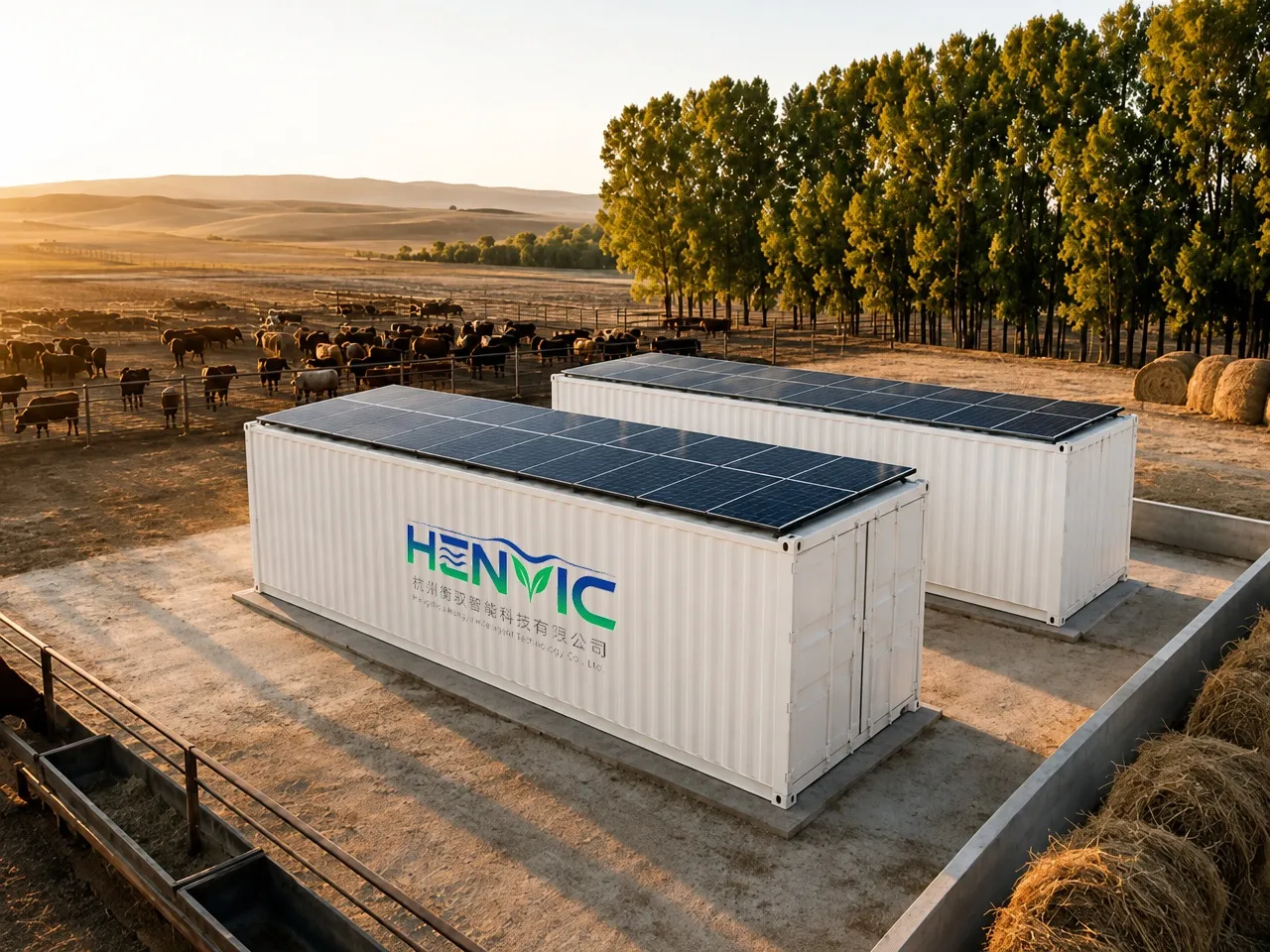
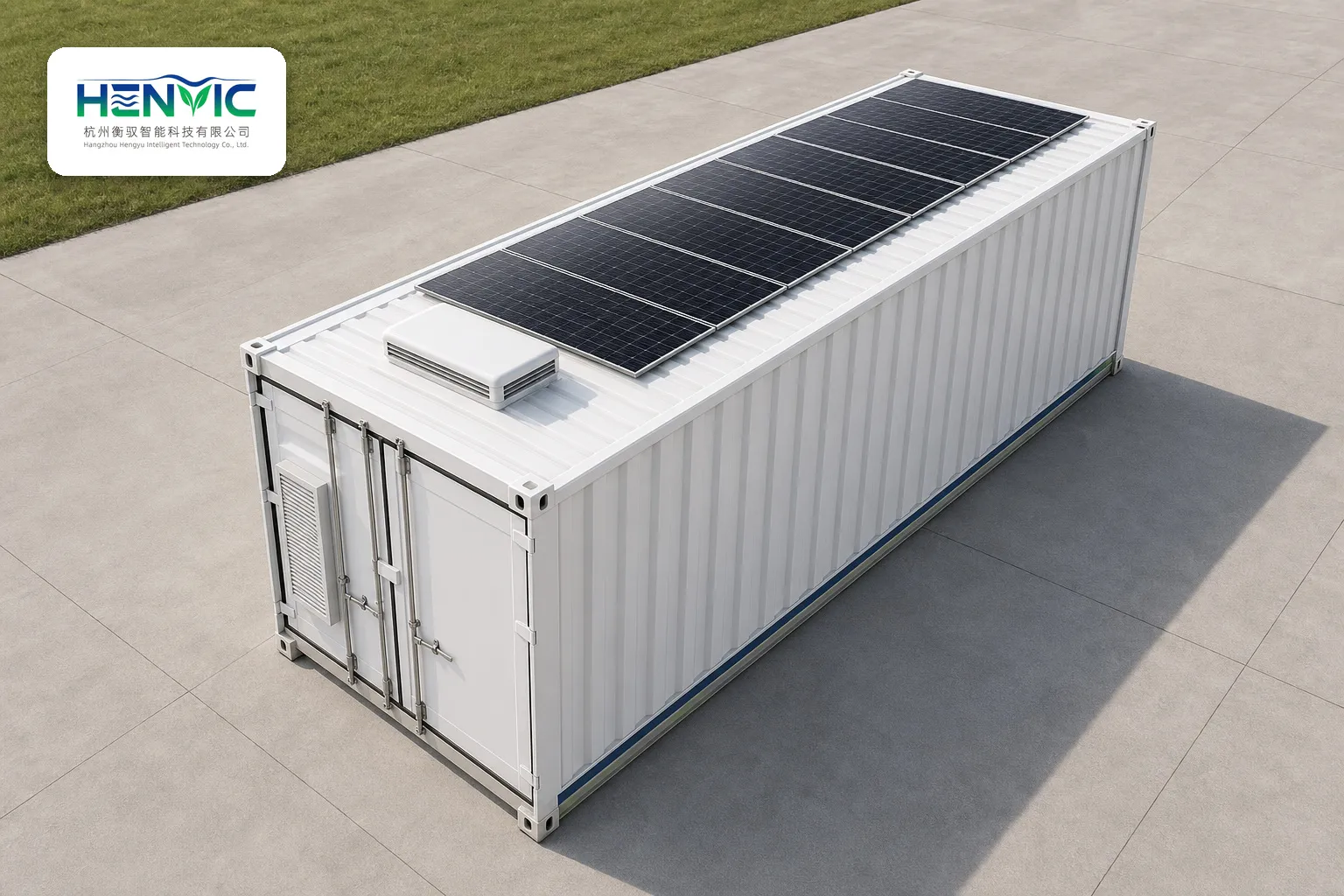
Container farms are increasingly paired with rooftop solar arrays, battery storage, or microgrids to reduce grid dependence. In regions with abundant solar (Middle East, Africa, southwestern US), the energy cost equation shifts dramatically.
7.3 Multi-Crop and Rotational Systems
Advanced pods are being designed to grow different crops in separate zones within the same container, or to rotate crops seasonally based on market demand and energy conditions. This increases throughput and diversifies risk.
7.4 Water-Negative Agriculture
With closed-loop systems using 90-95% less water than open-field farming, container agriculture is becoming a strategic solution in water-scarce regions. Coupled with wastewater treatment and desalination, farms can operate in arid environments where traditional agriculture is impossible.
7.5 Integration with Local Food Systems
The most successful container farms are not competing with commodity agriculture but serving as premium nodes in localized food supply chains—delivering to restaurants, schools, hospitals, and farmers' markets within hours of harvest, eliminating cold-chain distance and reducing food waste.
7.6 Space and Defense Applications
Beyond commercial agriculture, container-based cultivation is being explored for military base self-sufficiency, disaster relief food supply, and long-duration space missions. These non-commercial applications are driving technological advances that will eventually benefit mainstream agriculture.
Conclusion
The leafy greens cultivation container industry stands at an inflection point. The technology has proven itself technically—consistently producing premium-quality leafy greens year-round with minimal water, land, and labor—but the economic equation remains challenging. The next decade will determine whether container farming transitions from a premium niche to a mainstream component of the global food system, or whether it remains a specialized tool for high-value, short-life-cycle crops in specific markets.
The path forward depends on continued improvements in energy efficiency, the expansion of crop diversity, the development of more sophisticated AI-driven operational platforms, and the alignment of container farms with regional food systems rather than attempting to compete with commodity agriculture on cost. For those who navigate these challenges successfully, the opportunity is substantial: a USD 13+ billion market growing at double-digit rates, with the potential to reshape how and where the world's fresh vegetables are grown.